
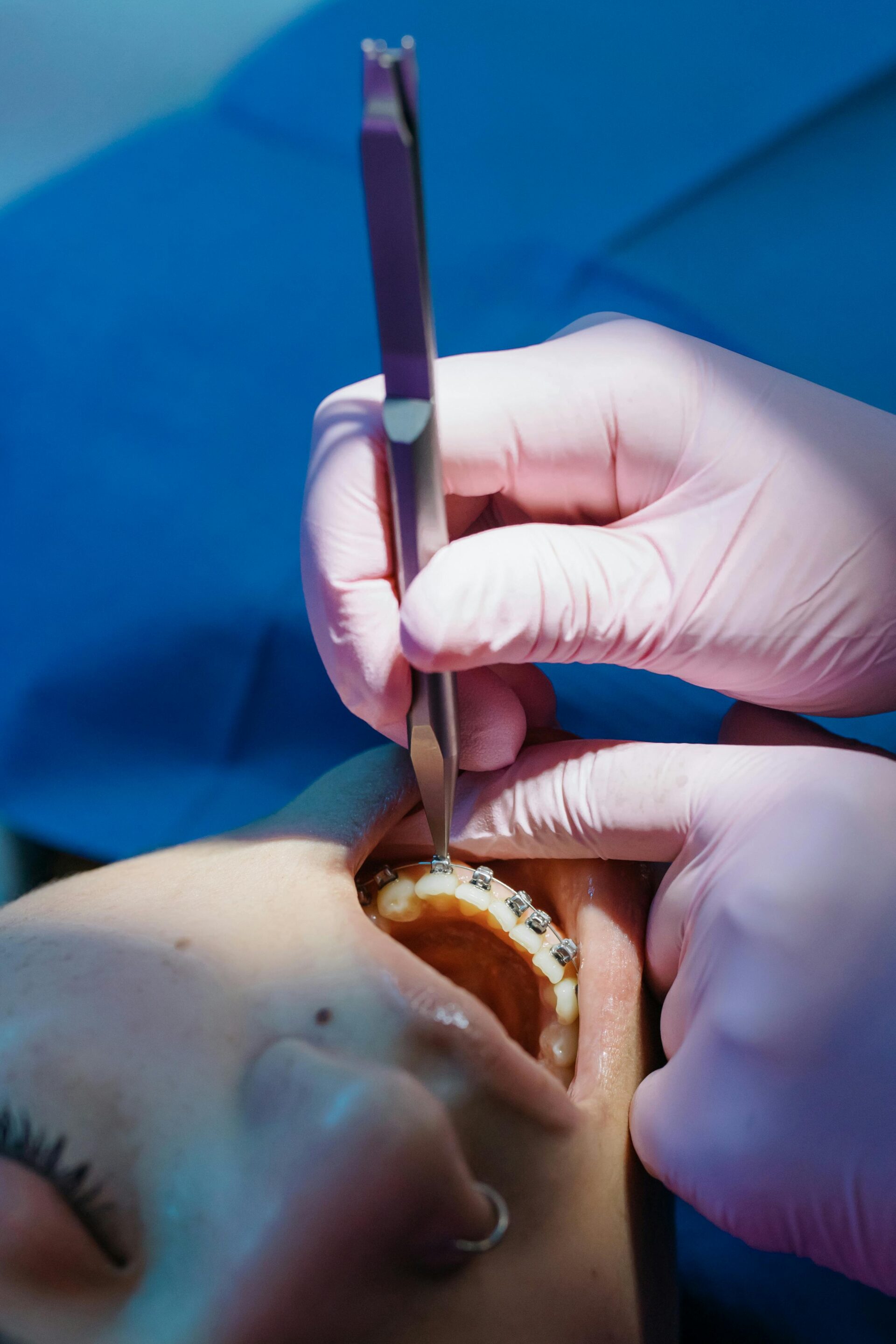
<p>If you’ve ever wondered how those metal braces can straighten teeth, you’re not alone. Many people ask, “how do braces work?” because it often seems like magic. In reality, braces are a carefully designed system that gently guides your teeth into the right position over time. About 4 million people in the U.S. wear braces at any given time, making it one of the most common orthodontic treatments. Whether you’re a teen or an adult, understanding how braces mechanism explained can help you feel more confident during your treatment journey. In this blog, we’ll break down how braces move teeth and what’s happening behind the scenes to give you a clearer picture of this transformative process.</p> <h2>Understanding the Basics of How Braces Work</h2> <p>Braces work by applying continuous pressure to teeth, encouraging them to move into better positions. This isn’t an overnight fix. It’s a gradual process that relies on your body’s natural ability to adapt and rebuild bone. The main goal is to align your teeth for improved function and appearance. When you visit your orthodontist, they design a custom treatment plan tailored to your specific needs, using various components that work together as part of the braces mechanism explained.</p> <h2>The Components of Braces</h2> <p>Braces consist of several key parts:</p> <ul> <li>Brackets: Small squares bonded directly to each tooth’s surface.</li> <li>Archwires: Thin metal wires threaded through brackets to connect them.</li> <li>Ligatures: Tiny elastic bands or wires that hold the archwire in place.</li> <li>Bands: Metal rings that wrap around molars to anchor the braces.</li> <li>Springs and elastics: Optional parts that help move teeth in specific directions.</li> </ul> <p>Each of these plays a vital role in how braces work, creating the force needed to shift your teeth gradually.</p> <h2>How Do Braces Move Teeth?</h2> <p>The process begins with your orthodontist placing brackets on your teeth and threading the archwire through them. When the archwire is secured, it exerts gentle, consistent pressure on your teeth. This prolonged pressure stimulates your body’s natural response: bone around the teeth dissolves on one side and new bone forms on the other, allowing teeth to drift into new positions.</p> <ol> <li>The pressure from the archwire causes the periodontal ligament (the tissue holding your teeth in place) to stretch on one side and compress on the other.</li> <li>This stretch and compression trigger cellular activity that remodels the bone.</li> <li>Over time, teeth move slowly in response to these forces until they reach the desired alignment.</li> </ol> <p>The movement typically occurs in small, manageable steps, often just 1/10th of a millimeter at a time, ensuring safety and effectiveness.</p> <h2>Duration and Adjustments</h2> <p>Wearing braces usually lasts between 12 and 24 months, depending on how much correction is needed. Regular visits allow your orthodontist to adjust the archwire, increasing or changing the pressure to keep teeth moving steadily. These adjustments are crucial because they keep the braces mechanism explained working efficiently and safely.</p> <h2>The Benefits of Proper Tooth Movement</h2> <p>Correctly aligned teeth don’t just look better—they also function more effectively. This can lead to easier cleaning, fewer cavities, and less risk of gum disease. Additionally, well-aligned teeth can reduce issues like jaw pain, headaches, and uneven wear on your teeth.</p> <p>Thinking about braces? Remember, it’s a journey that involves patience and consistent care. Your orthodontist is there to guide you every step of the way.</p> <p>Feeling curious or ready to start? Don’t hesitate to book an appointment with a trusted orthodontist. A friendly consultation can clear up any questions and help you take the next step toward a healthier, straighter smile.</p> <h2>Frequently Asked Questions</h2> <h3>How long do braces typically stay on my teeth?</h3> <p>Braces usually stay on for 12 to 24 months, depending on how complex the alignment issues are. Your orthodontist will give you a more specific timeframe during your consultation.</p> <h3>Are braces painful?</h3> <p>You may experience some discomfort or soreness after adjustments, but it’s generally mild and temporary. Over-the-counter pain relievers and eating softer foods can help alleviate this until your teeth adjust.</p> <h3>Can I eat normally with braces?</h3> <p>You should avoid sticky, hard, or chewy foods that could damage the braces. Your orthodontist will recommend a diet that protects your appliances while still allowing you to enjoy meals.</p> <h3>Will I need to wear a retainer after treatment?</h3> <p>Yes. Retainers help keep your teeth in their new position once braces are removed. They are an important part of the orthodontic process to ensure lasting results.</p> <h3>Do braces interfere with speech?</h3> <p>Some people might experience a slight lisp or speech changes initially, but this usually improves as your mouth adjusts. Practicing speaking and giving yourself time helps speed up the process.</p> <h2>Conclusion</h2> <p>Understanding how do braces work is easier when you know about the various components and processes involved. Braces use a gentle, controlled force applied through brackets, wires, and other parts to gradually move teeth into proper alignment. This steady movement relies on your body’s natural ability to remodel bone, ensuring safe and effective results. Because every treatment plan is unique, working closely with your orthodontist is essential for success. Remember, a straight, healthy smile is worth the wait and effort. If you’re ready to explore your options or start your journey, booking an appointment with a trusted orthodontist is a simple step toward your best smile.</p> <p>Your journey to a healthier, more confident smile can start today—reach out and schedule your consultation easily and comfortably.</p>

Essential Home Maintenance Checklist for a Healthy Smile
Learn how to maintain oral health with Just A Cleaning’s home maintenance checklist. Keep your smile…