
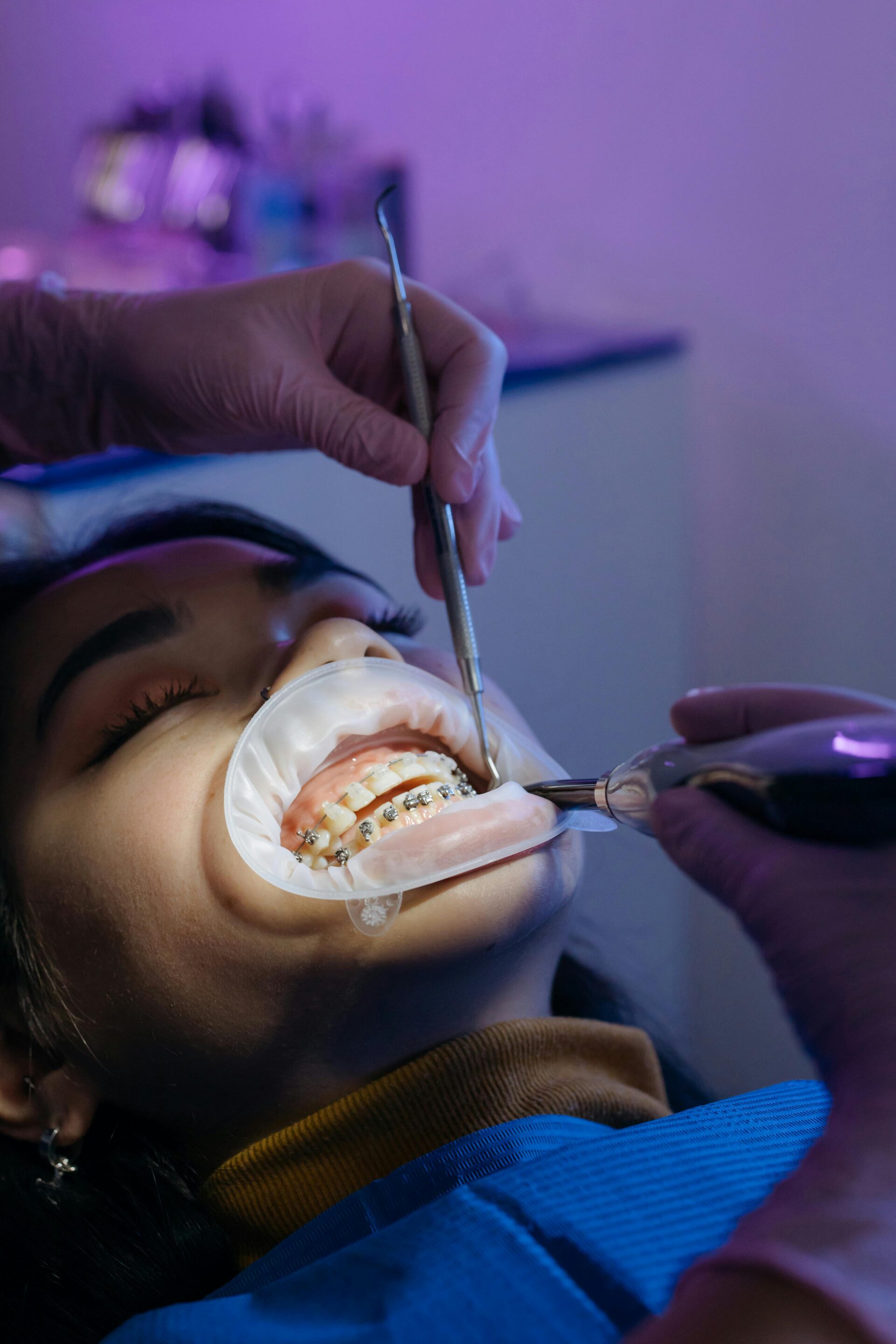
<p>Choosing the right type of braces can feel overwhelming, especially with so many options available today. Did you know that around 4 million people in the U.S. are wearing braces right now? If you're considering orthodontic treatment, understanding the different kinds of braces can help you decide which one fits your lifestyle, budget, and aesthetic preferences. In this guide, we’ll explore the main braces options, including metal, ceramic, lingual, and self-ligating braces, so you can make an informed decision about your smile journey.</p> <h2>Metal Braces</h2> <p>Metal braces are the most traditional and widely recognized type of braces. They consist of stainless steel brackets glued to your teeth and connected with wires that are adjusted over time with rubber bands. These braces are very effective at straightening teeth and correcting bite issues.</p> <h3>Pros</h3> <ul> <li>Highly durable and strong</li> <li>Usually the most affordable option</li> <li>Effective for complex cases</li> </ul> <h3>Cons</h3> <ul> <li>Visible on the teeth, which may make some people self-conscious</li> <li>Can cause irritation to the gums and cheeks initially</li> </ul> <p>Metal braces remain a popular choice due to their proven track record and affordability. They are especially suitable for kids and teens, but many adults also choose metal braces for their reliability and straightforward treatment process.</p> <h2>Ceramic Braces</h2> <p>Ceramic braces work similarly to metal braces but use tooth-colored or clear brackets instead of metal ones. They are designed to blend in with your natural teeth, making them less noticeable.</p> <h3>Pros</h3> <ul> <li>Less visible than traditional metal braces</li> <li>Effective in treating a variety of dental issues</li> </ul> <h3>Cons</h3> <ul> <li>Can be more fragile than metal braces</li> <li>Usually cost a bit more</li> <li>Slightly increased staining risk on the brackets if proper care isn’t taken</li> </ul> <p>Ceramic braces are an excellent choice for those who want effective treatment without the prominent appearance of metal. They are particularly popular among adults looking for a more discreet orthodontic option.</p> <h2>Lingual Braces</h2> <p>Lingual braces are attached to the back of your teeth, making them virtually invisible when you smile. They function just like traditional braces but are hidden from view.</p> <h3>Pros</h3> <ul> <li>Completely hidden from view</li> <li>Custom-fitted for comfort and effectiveness</li> </ul> <h3>Cons</h3> <ul> <li>More expensive than other options</li> <li>Can be more challenging to clean and adjust</li> <li>May cause some initial speech difficulties</li> </ul> <p>While lingual braces are less common due to their complexity, they are ideal for patients seeking a completely discreet treatment. Because they are custom-made, they often require longer adjustment times and may be less comfortable initially.</p> <h2>Self-Ligating Braces</h2> <p>Self-ligating braces use a special clip or door instead of rubber bands to hold the wire in place. This design allows for easier adjustment and potentially shorter treatment times.</p> <h3>Pros</h3> <ul> <li>Reduced friction, which can lead to faster results</li> <li>Fewer office visits needed for adjustments</li> <li>Often more comfortable than traditional braces</li> </ul> <h3>Cons</h3> <ul> <li>Slightly more expensive than regular metal braces</li> <li>Limited options in terms of esthetics</li> </ul> <p>Self-ligating braces are becoming increasingly popular for their efficiency and comfort. They are suitable for many types of bite and alignment issues, making them a versatile braces option.</p> <p>Ready to take the next step? Book an appointment with our experienced orthodontic team today. We’ll help you determine which type of braces is best suited for your needs and design a personalized treatment plan to help you achieve your best smile.</p> <h2>FAQs</h2> <h3>What are the different kinds of braces available?</h3> <p>There are several types of braces available, including metal braces, ceramic braces, lingual braces, and self-ligating braces. Each has its own advantages and considerations depending on your aesthetic preferences and treatment needs.</p> <h3>How do I know which type of braces is right for me?</h3> <p>The best braces for you depend on your dental condition, lifestyle, aesthetic preferences, and budget. Consulting an orthodontist is essential to determine which option fits your unique situation.</p> <h3>Are ceramic braces more expensive than metal braces?</h3> <p>Yes, ceramic braces generally cost more than traditional metal braces due to the materials used and their less noticeable appearance. However, prices vary based on the provider and treatment complexity.</p> <h3>Can lingual braces affect my speech?</h3> <p>Initially, lingual braces may cause some speech difficulties or a lisp as you adjust. Most people adapt quickly within a few days to a week with proper practice and adjustments.</p> <h3>Do self-ligating braces work faster?</h3> <p>Self-ligating braces can often lead to shorter treatment times because they reduce friction and allow for easier adjustments. However, individual results vary depending on the case.</p> <p>Choosing the right braces involves understanding your goals and needs. Our dedicated team is here to guide you through your options, answer your questions, and help you find the best fit for your smile. Don't hesitate to reach out and schedule your consultation today — achieving your perfect smile can be easier than you think!</p>

Essential Home Maintenance Checklist for a Healthy Smile
Learn how to maintain oral health with Just A Cleaning’s home maintenance checklist. Keep your smile…