
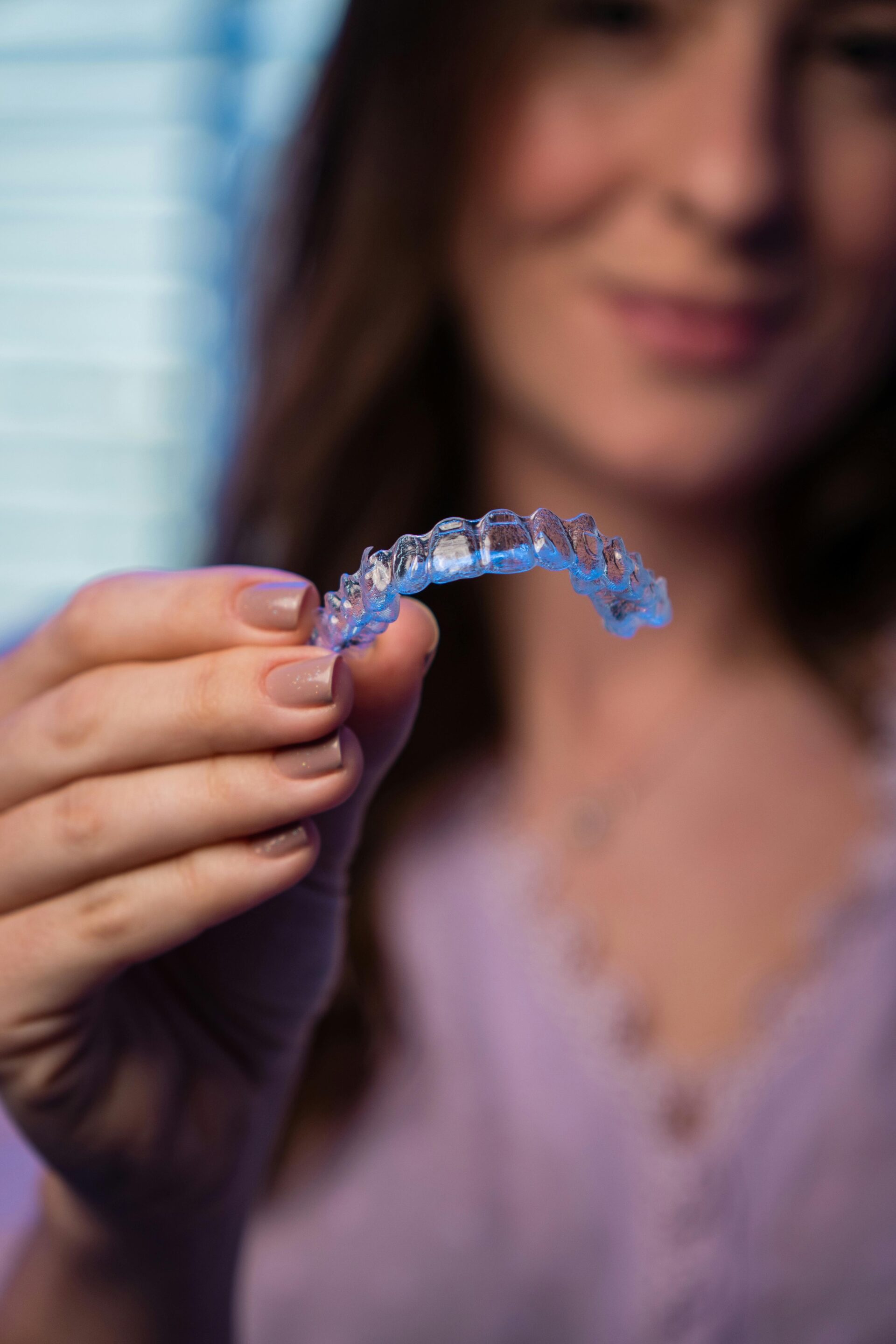
<p>Bite problems can cause discomfort, difficulty chewing, and even long-term dental issues if left untreated. Many people don’t realize that misaligned bites are common and highly treatable. One of the most popular options today is Invisalign, which offers a discreet and effective way to straighten teeth and fix bite issues. But what bite problems Invisalign fixes may surprise you. Understanding Invisalign malocclusion—the term for these issues—helps you see if this modern orthodontic solution could be right for you.</p> <p>Invisalign has revolutionized orthodontic treatment because it is flexible, less noticeable, and designed to address specific bite problems. If you’re wondering what Invisalign treats and whether your bite problem qualifies, this guide will explain the most common issues it can correct, along with clinical indications and what to expect from treatment. Taking the first step toward a healthier, more comfortable smile could be simpler than you think.</p> <h2>Types of Bite Problems Invisalign Fixes</h2> <p>Invisalign is most effective in correcting several common bite problems. Understanding these can help you determine if you are a candidate.</p> <h2>Overbite</h2> <p>An overbite occurs when the upper front teeth significantly overlap the lower teeth. This can cause excessive wear on the teeth and discomfort when biting or speaking. Invisalign can gradually move the teeth to reduce the overbite, improving function and appearance.</p> <h2>Underbite</h2> <p>An underbite is when the lower teeth protrude past the upper teeth, creating a crooked bite and potential jaw pain. Invisalign’s clear aligners can help reposition teeth to correct this misalignment, enhancing both Smile aesthetics and function.</p> <h2>Crossbite</h2> <p>A crossbite happens when one or more of the upper teeth fall inside the lower teeth when biting down. This can cause uneven wear and jaw issues. Invisalign aligns the teeth properly, resolving crossbite problems effectively.</p> <h2>Open Bite</h2> <p>An open bite occurs when the front upper and lower teeth don’t touch when biting down, causing difficulty with biting and chewing. Invisalign can close this gap, improving the bite and overall oral health.</p> <h2>Crowding and Spacing</h2> <p>While not traditional bite problems, crowding and excessive spacing can affect how the teeth meet. Invisalign’s gentle pressure can straighten teeth and create a proper bite, preventing future issues.</p> <h2>What Invisalign Treats and Its Clinical Indications</h2> <p>Invisalign is primarily suited for mild to moderate orthodontic issues but can sometimes handle more complex cases. It’s important to consult with an experienced orthodontist to determine if your specific bite problem is suitable for Invisalign treatment.</p> <p>Invisalign works well for those who need to correct:</p> <ul> <li>Mild to moderate overbites, underbites, and crossbites</li> <li>Gaps between teeth</li> <li>Teeth crowding</li> <li>Certain types of open bites</li> </ul> <p>Patients with severe jaw misalignments or complex bite issues may need traditional braces or other orthodontic procedures. Your orthodontist will assess your bite and recommend the most suitable treatment plan.</p> <h2>Book an Appointment Today!</h2> <p>If you are experiencing any discomfort or dissatisfaction with your bite, don’t wait. A consultation with an orthodontist can clarify whether Invisalign is right for you. Modern orthodontics offers safe, effective, and nearly invisible options to create your best smile. Reach out today to schedule your appointment and take the first step toward improved oral health and confidence.</p> <h2>FAQs</h2> <h3>What bite problems can Invisalign fix?</h3> <p>Invisalign can fix several bite problems including overbite, underbite, crossbite, open bite, and alignment issues related to crowding or spacing. It’s designed to gradually shift teeth into proper positions, addressing specific malocclusions.</p> <h3>Is Invisalign suitable for severe malocclusion?</h3> <p>While Invisalign is effective for many moderate cases, severe malocclusion may require traditional braces or surgical options. A consultation with your orthodontist can determine if Invisalign is appropriate for your needs.</p> <h3>How long does Invisalign treatment take?</h3> <p>Treatment time varies depending on the complexity of the case but generally ranges from 12 to 18 months. Your orthodontist will give you an estimated timeline based on your specific bite problem.</p> <h3>Can Invisalign correct bites with jaw issues?</h3> <p>In some cases, Invisalign can aid in correcting minor jaw misalignments. However, severe jaw problems often require additional treatments like jaw surgery or other orthodontic appliances.</p> <h3>Are Invisalign aligners painful?</h3> <p>Most patients experience mild discomfort or pressure when switching to a new set of aligners, which usually subsides quickly. This discomfort is a sign that the teeth are moving as planned.</p> <h2>Conclusion</h2> <p>Invisalign offers a modern, effective solution for many common bite problems and malocclusions. Whether you’re dealing with an overbite, underbite, crossbite, open bite, or misaligned teeth, Invisalign can help realign your bite discreetly and comfortably. Its clinical indications make it suitable for many cases, especially when treated early. The key is to consult with a qualified orthodontist who can evaluate your specific needs and recommend the best treatment plan.</p> <p>Taking care of your bite isn’t just about appearance; it’s about improving your overall oral health, comfort, and confidence. With Invisalign, you can enjoy a healthier smile without the hassle of traditional braces. Don’t wait to start your journey to better bites and brighter smiles—book your appointment today and discover how simple and seamless orthodontic treatment can be. Your ideal smile is within reach.</p>

Essential Home Maintenance Checklist for a Healthy Smile
Learn how to maintain oral health with Just A Cleaning’s home maintenance checklist. Keep your smile…