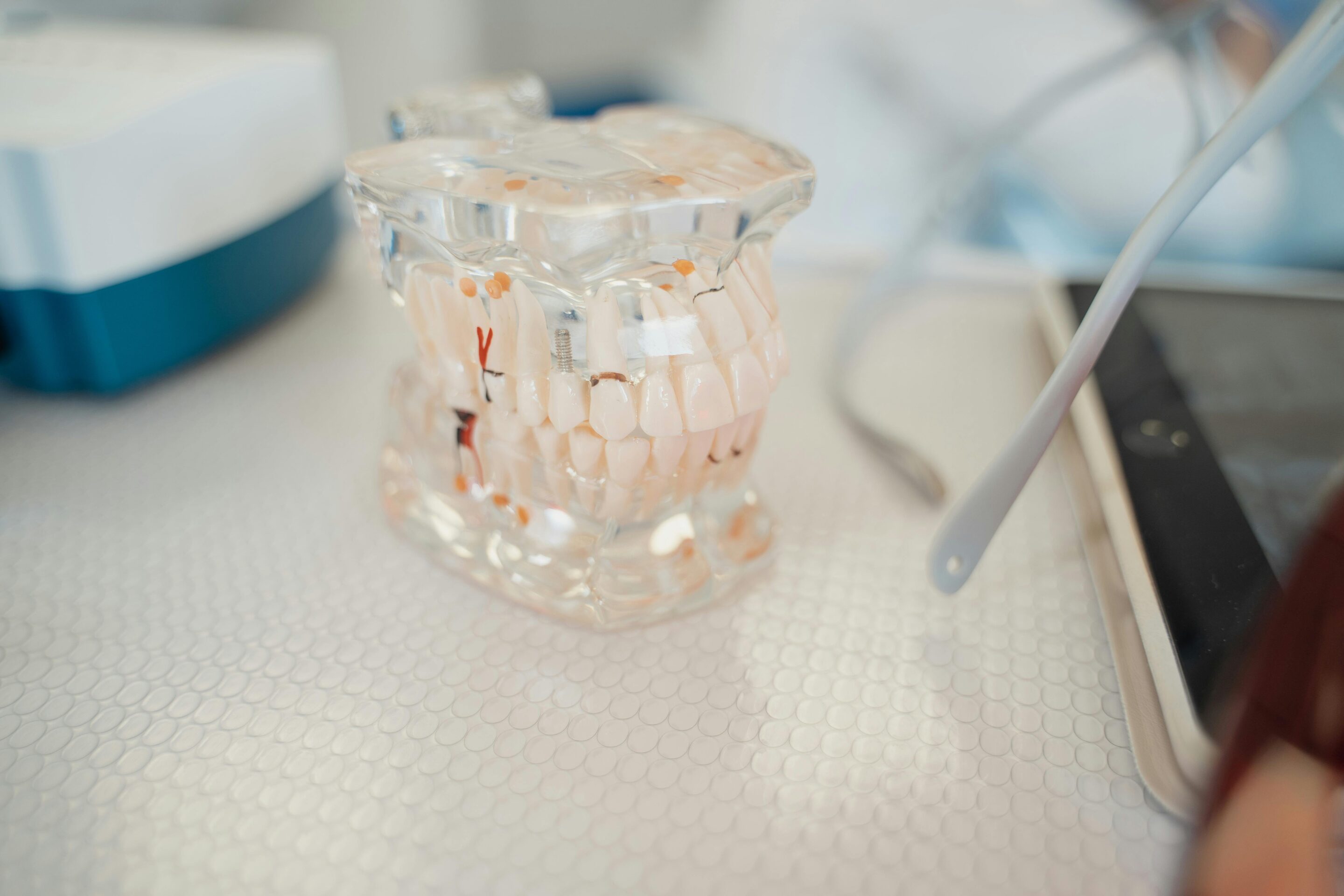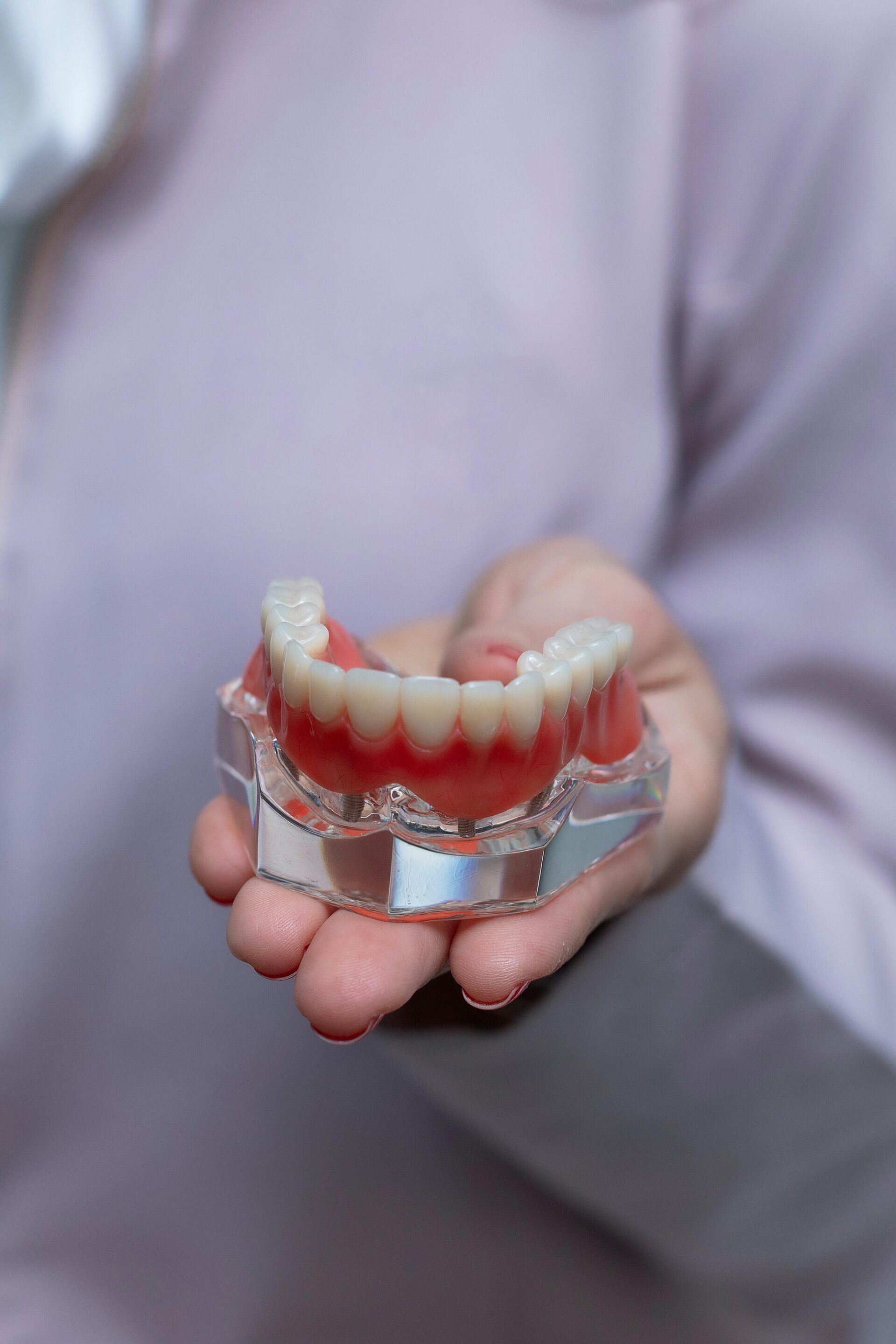

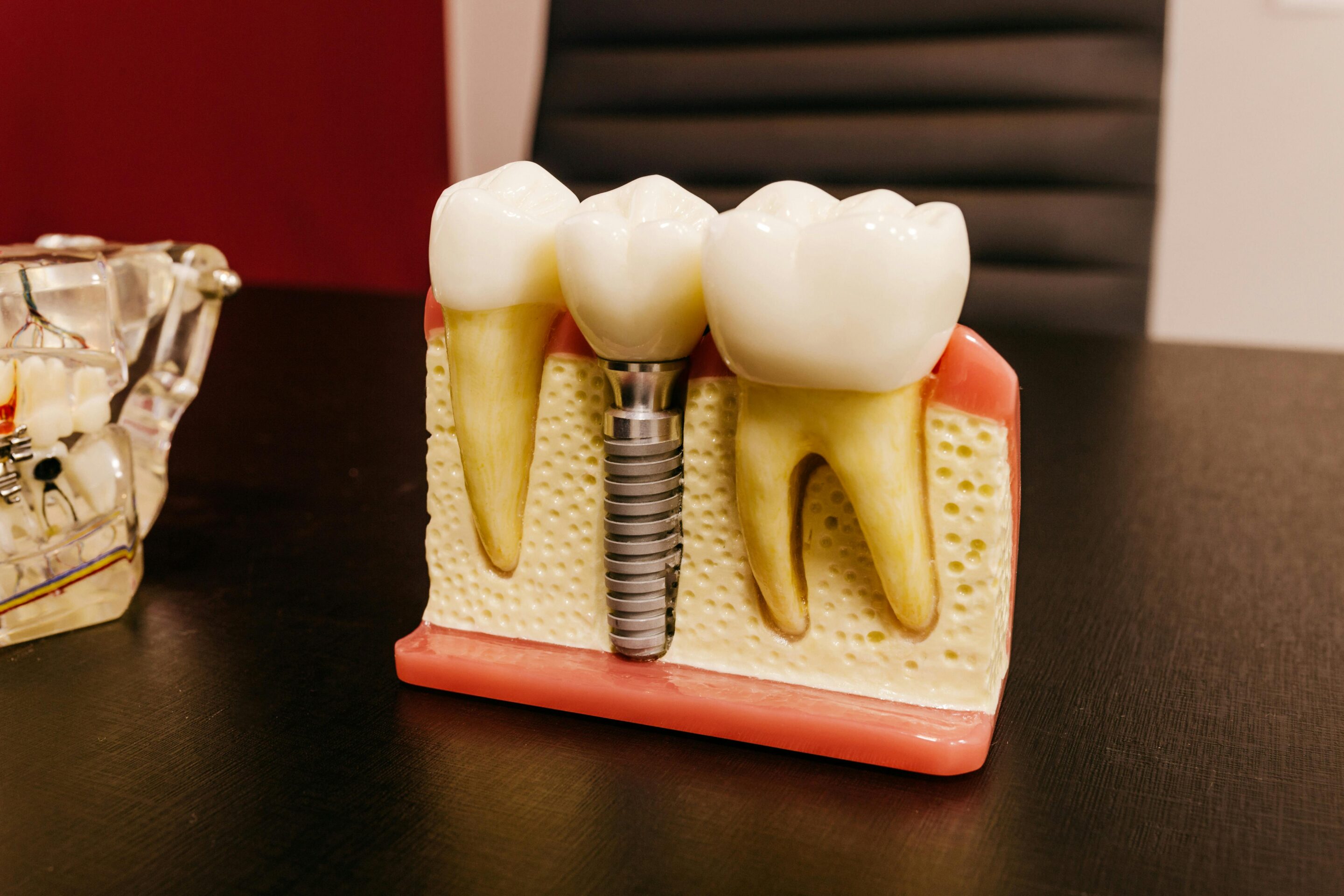
<p>Dental implants have transformed the way millions of people regain their smile and confidence after tooth loss. According to recent studies, over 3 million Americans have dental implants, and that number continues to grow each year. But many wonder about the materials used to create these durable, life-like replacements. What are implants made of, and which materials are best suited for your dental needs? Understanding dental implant materials is crucial for making an informed decision and ensuring long-term success.</p> <p>Dental implant materials play a vital role in their durability, compatibility with your body, and overall functionality. Knowing whether your implant material is biocompatible and resistant to corrosion can influence your comfort and the implant’s longevity. Let’s explore the most common types of materials used to make dental implants and what makes them suitable for oral use.</p> <h2>Titanium Dental Implant Material</h2> <p>Titanium is the most popular and widely used implant material globally. Its strength, biocompatibility, and ability to fuse with bone make it an ideal choice. Titanium implants are well-documented for their success rate and long-term durability, having been used in dentistry for over 50 years.</p> <p>One reason for titanium’s popularity is its unique property called osseointegration. This allows the titanium to integrate seamlessly with the jawbone, creating a stable foundation for artificial teeth. Titanium is also corrosion-resistant, meaning it won’t degrade or cause adverse reactions over time. Thanks to these qualities, titanium dental implants have become the gold standard in the industry.</p> <h2>Other Implant Material Types</h2> <p>While titanium dominates, other materials are also used for dental implants, especially in specific cases. These include:</p> <ul> <li>Zirconia: A tooth-colored, ceramic material known for its strength and aesthetic appeal. Zirconia implants are metal-free, making them a preferred option for patients with metal allergies or sensitivities.</li> <li>Titanium Alloy: A combination of titanium and other metals, which can offer enhanced strength and resistance. These alloys are sometimes used for specialized implant applications.</li> </ul> <h2>What Are Implants Made Of?</h2> <p>Most dental implants are made of biocompatible materials that encourage new bone growth and reduce the risk of rejection. Titanium, thanks to its excellent track record, has become the standard, although zirconia is gaining popularity for cosmetic and allergy-sensitive reasons.</p> <p>The choice of implant material often depends on individual health needs, aesthetic goals, and the condition of the jawbone. Your dentist will recommend the most appropriate material based on your unique circumstances.</p> <p>Book an appointment today and find out which implant material is best suited for your smile transformation. Our team is here to guide you every step of the way.</p> <h2>Why Consider Different Materials?</h2> <p>Different implant materials have specific benefits. Titanium’s proven success makes it the first choice for many, but zirconia offers aesthetic advantages and is metal-free. Your dentist can help weigh the pros and cons of each type based on your health and personal preferences.</p> <p>Need more personalized advice? Contact us to schedule a consultation and explore your options. Discover how the right implant material can enhance your confidence and oral health for years to come.</p> <h2>FAQ Section</h2> <h3>What are dental implants made of?</h3> <p>Most dental implants are made of titanium or zirconia. Titanium is the most common due to its strength and biocompatibility, while zirconia offers a ceramic, metal-free alternative.</p> <h3>Are titanium dental implant materials safe?</h3> <p>Yes, titanium dental implant materials are considered very safe. They are biocompatible, resistant to corrosion, and have a high success rate in osseointegration, with extensive research supporting their safety.</p> <h3>Can zirconia implants be used instead of titanium?</h3> <p>Yes, zirconia implants are used as an alternative, especially for patients allergic to metals or seeking a more aesthetic, white-colored option. They are also biocompatible and strong.</p> <h3>How long do dental implant materials last?</h3> <p>The materials themselves, like titanium and zirconia, are designed to last a lifetime with proper oral hygiene and regular dental care. The success of the implant depends on several factors, including placement and maintenance.</p> <h3>Is one implant material better than the other?</h3> <p>It depends on individual needs. Titanium is highly successful and widely used, while zirconia offers aesthetic benefits and is metal-free. Your dentist will help determine the best suit based on your specific situation.</p> <p>In conclusion, understanding what materials are dental implants made from helps you make informed decisions about your oral health. Titanium remains the go-to for durability and success, but zirconia is offering excellent alternatives for aesthetic and allergy considerations. Both materials are biocompatible and engineered to last, providing reliable support for your new smile. Reach out today—booking an appointment is simple and the first step toward restoring your confidence with a personalized solution tailored just for you.</p>

Essential Home Maintenance Checklist for a Healthy Smile
Learn how to maintain oral health with Just A Cleaning’s home maintenance checklist. Keep your smile…