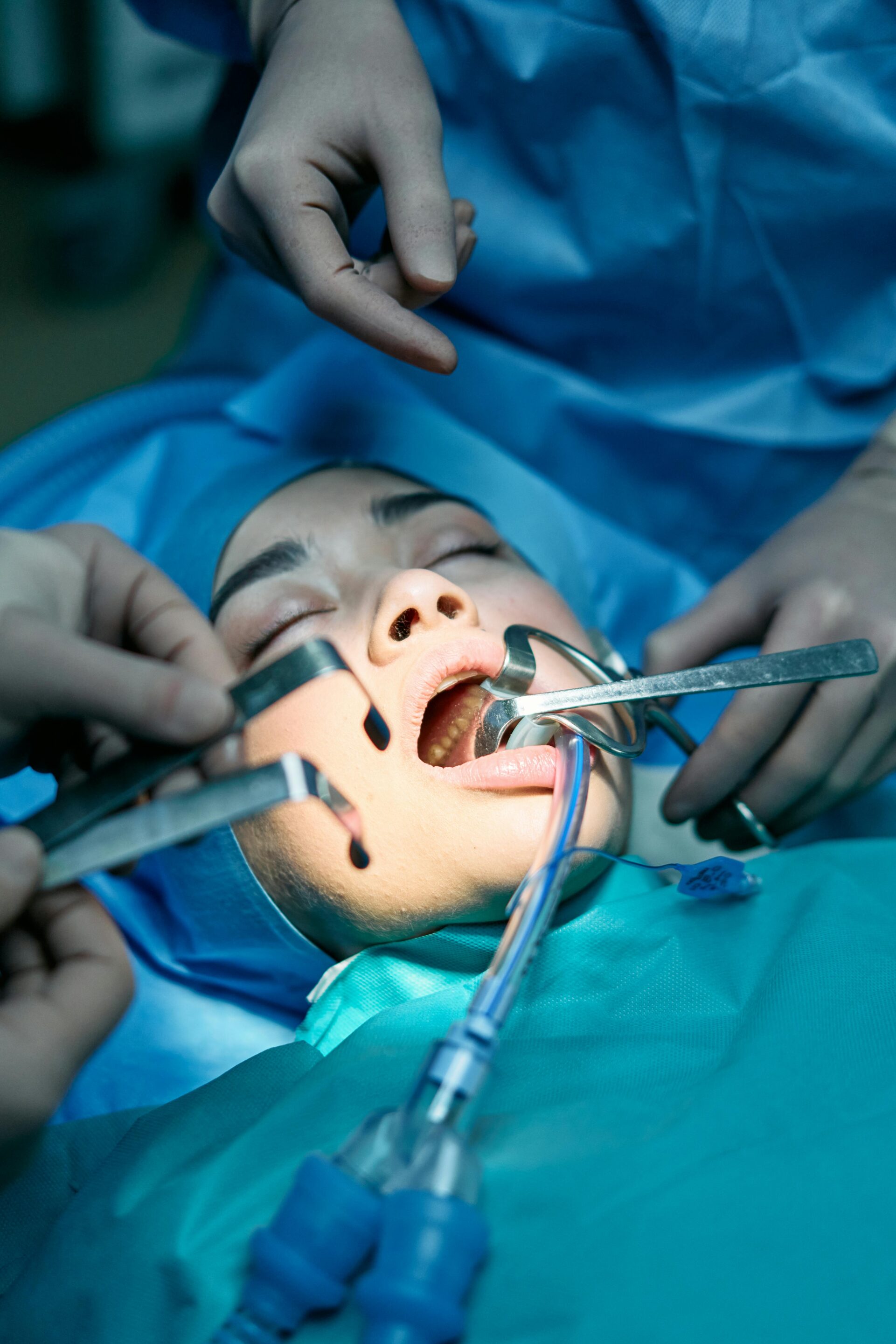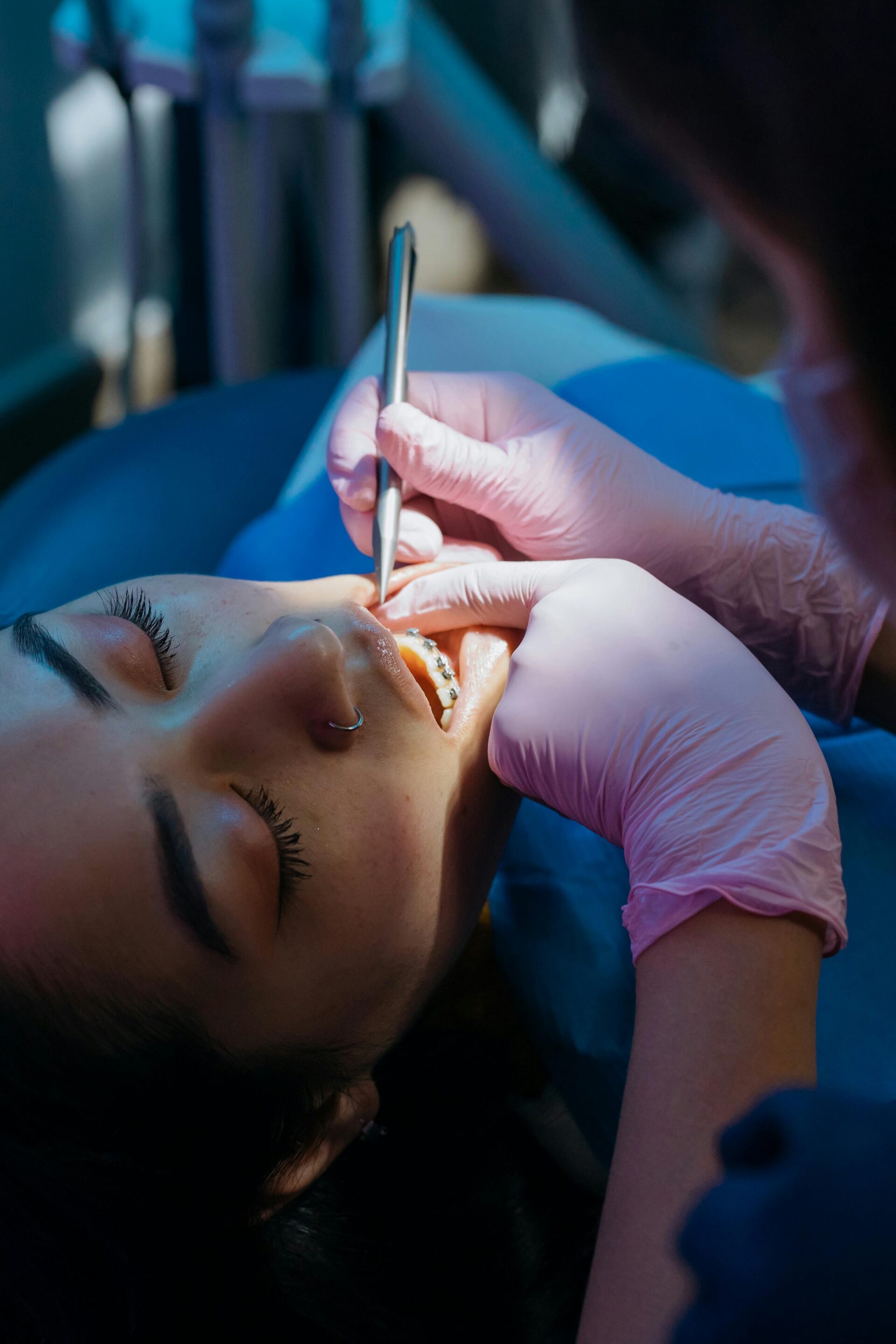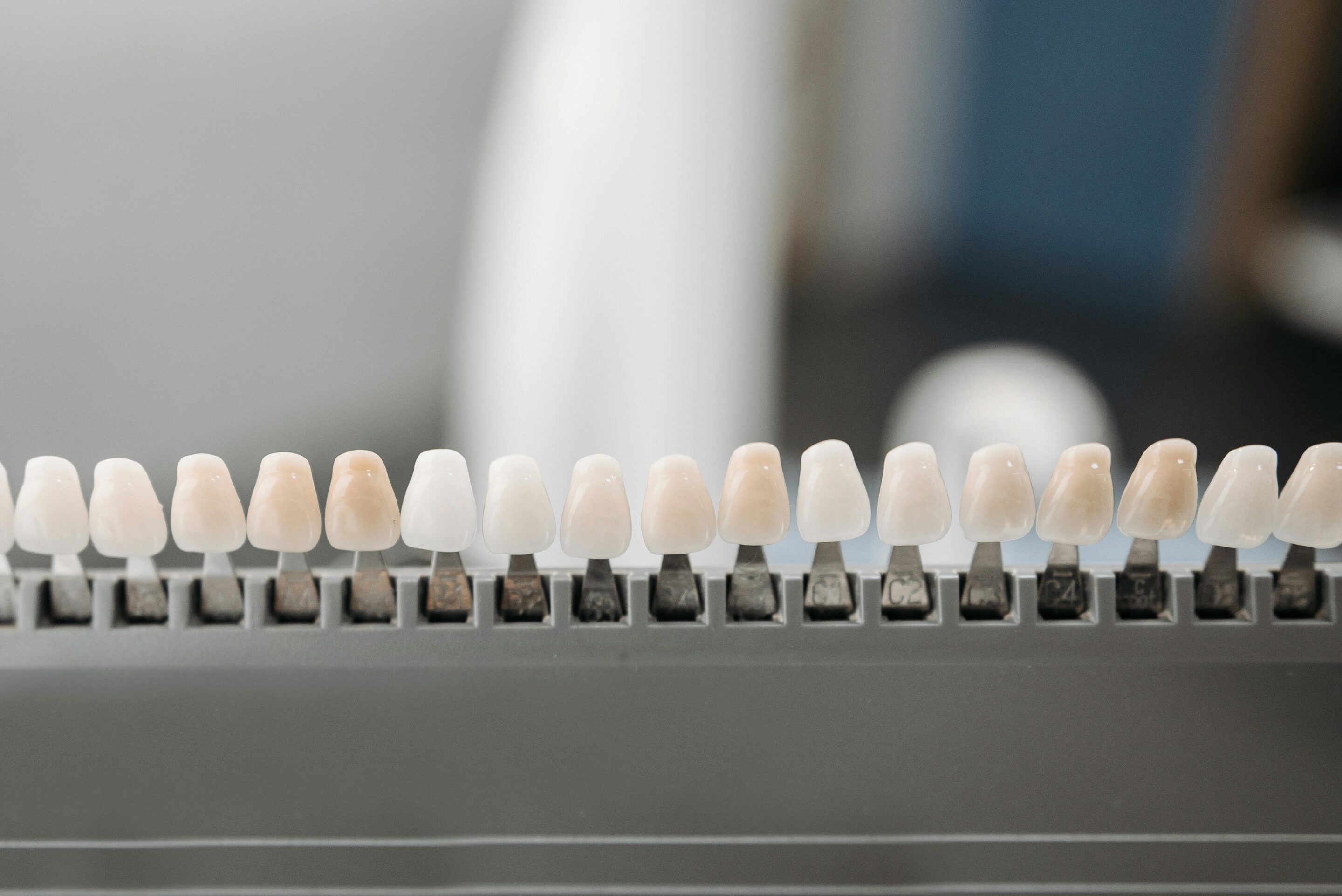

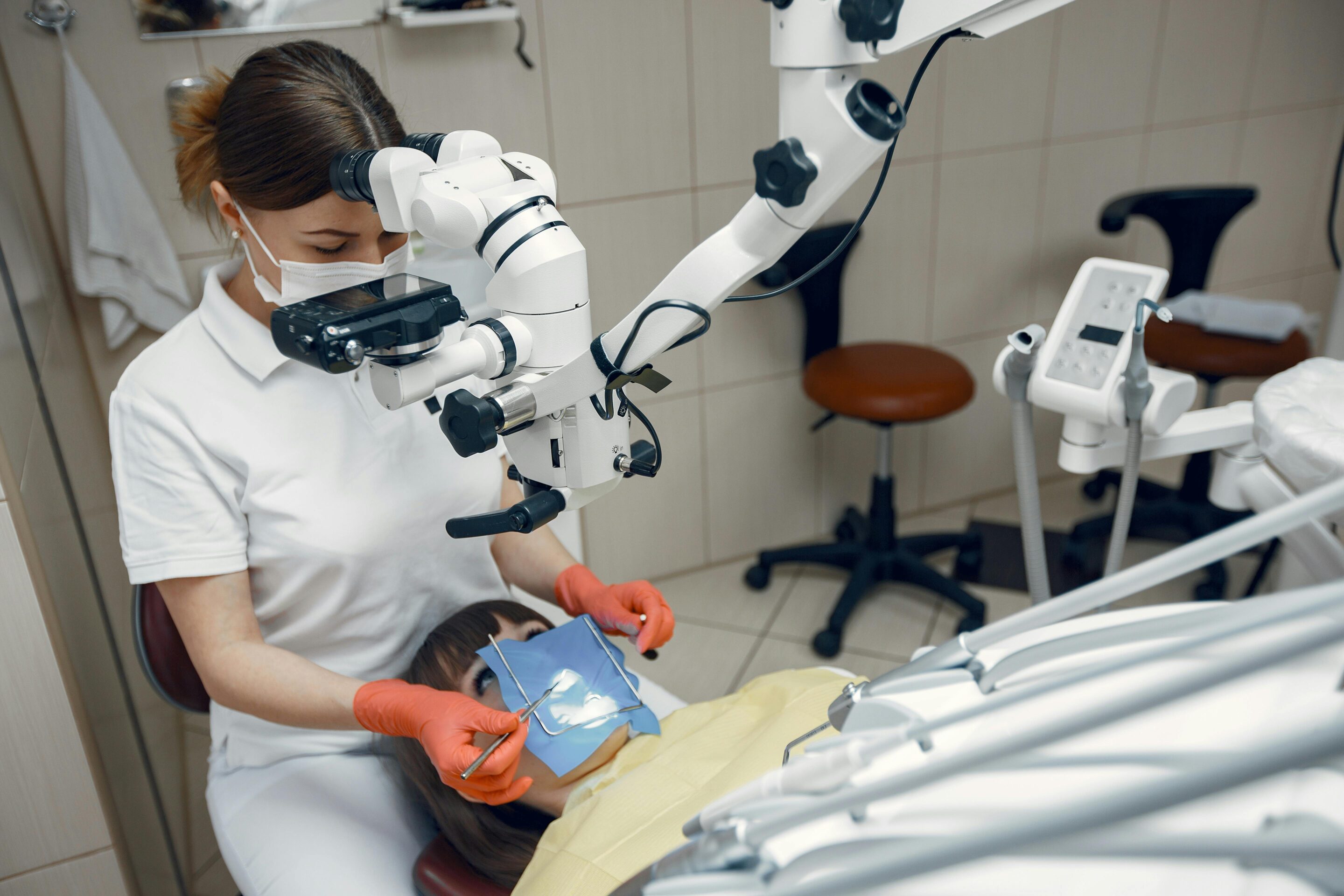
<p>Undergoing oral surgery can be daunting, especially when you're worried about discomfort and sedation. For many, the thought of being asleep during a procedure — known as general anesthesia oral surgery — offers peace of mind and comfort. Dental general anesthesia allows complex or lengthy procedures to be performed while you remain completely unconscious, minimizing pain and anxiety. Whether you're having wisdom teeth removed, dental implants placed, or other extensive oral treatments, understanding what GA dental surgery involves can help you feel more prepared and confident. This guide will cover everything you need to know about general anesthesia in oral surgery, from safety to recovery, so you can make informed decisions about your dental health.</p> <h2>What Is General Anesthesia for Oral Surgery?</h2> <p>General anesthesia (GA) is a medically controlled state of deep sleep that ensures you feel no pain or awareness during your procedure. In oral surgery, asleep oral surgery means you're completely unconscious, minimizing discomfort and movement, which allows the surgeon to work more efficiently.</p> <p>Dental general anesthesia is typically administered by an anesthesiologist or a trained oral surgeon using IV medications or inhaled gases. This method is reserved for extensive procedures, patients with dental anxiety, or those who require special care.</p> <h2>Benefits of Using General Anesthesia</h2> <ul> <li>Complete pain relief during the procedure</li> <li>Less stress and anxiety for the patient</li> <li>Ability to perform complex or multiple procedures efficiently</li> <li>Reduced discomfort during recovery</li> </ul> <h2>Who Needs General Anesthesia in Oral Surgery?</h2> <p>Not everyone requires GA for dental work. It’s most often recommended for:</p> <ul> <li>Patients with severe dental anxiety or phobia</li> <li>Wisdom tooth extraction, especially impacted teeth</li> <li>Extensive reconstructive surgeries</li> <li>Patients with special needs or medical conditions that make local anesthesia insufficient</li> <li>Children or individuals who may have difficulty staying still</li> </ul> <h2>Safety of General Anesthesia in Oral Surgery</h2> <p>Modern GA dental surgery is very safe, thanks to advances in anesthetic techniques and monitoring technology. Before your procedure, a thorough health assessment ensures you're a suitable candidate. During surgery, your vital signs are closely monitored, and the anesthesiologist adjusts medications as needed.</p> <p>Potential risks include allergic reactions, nausea, or complications related to underlying health conditions. However, with experienced professionals handling your anesthesia, serious issues are rare. Discuss any concerns with your oral surgeon and anesthesia provider beforehand.</p> <h2>Recovery and How to Prepare</h2> <p>Recovery from asleep oral surgery varies but generally involves a few hours of monitoring before going home. Common side effects include grogginess, sore throat, or light nausea. Proper post-operative care and following your surgeon's instructions help ensure a smooth recovery.</p> <p>To prepare for your procedure:</p> <ul> <li>Arrange for transportation home, as you won't be able to drive afterward</li> <li>Follow fasting instructions if advised (no food or drink before surgery)</li> <li>Wear comfortable clothing and avoid wearing jewelry or contact lenses</li> <li>Have soft foods and prescribed medications ready at home</li> </ul> <p>Remember, your surgical team will be available to answer your questions and support you through recovery.</p> <p>Thinking about your oral health? If you’re considering a procedure that may benefit from general anesthesia, don’t hesitate to reach out. Booking an appointment with an experienced oral surgeon is simple and can provide clarity and reassurance. Your comfort and safety are our priorities.</p> <h2>FAQs</h2> <h3>What is involved in getting dental general anesthesia?</h3> <p>Dental general anesthesia involves an anesthesiologist or oral surgeon administering medications via IV or inhalation to induce deep sleep. The process is carefully monitored during the procedure to ensure safety and comfort.</p> <h3>Is general anesthesia safe for all patients?</h3> <p>Most patients are suitable candidates for general anesthesia, but a thorough health assessment is necessary. Your medical history is reviewed to identify any potential risks, and a specialist will tailor the anesthesia plan to your needs.</p> <h3>How long does recovery from GA oral surgery take?</h3> <p>Recovery typically involves a few hours in a recovery area, with patients feeling groggy or sleepy initially. Full recovery may take one to two days, during which rest and following post-op instructions are important.</p> <h3>Will I experience pain during or after asleep oral surgery?</h3> <p>During the procedure, you will feel no pain due to anesthesia. Afterward, some discomfort or swelling may occur, which your surgeon can manage with prescribed pain medications.</p> <h2>Conclusion</h2> <p>Understanding general anesthesia for oral surgery helps demystify a process many find intimidating. GA dental surgery offers a safe, comfortable way to undergo complex procedures with minimal distress. With proper planning, skilled professionals, and clear communication, your experience can be smooth and worry-free. If you're contemplating a procedure that might involve asleep oral surgery, scheduling a consultation is a simple step toward better oral health and peace of mind. Let us help you take care of your smile — booking an appointment is quick and easy.</p>

Essential Home Maintenance Checklist for a Healthy Smile
Learn how to maintain oral health with Just A Cleaning’s home maintenance checklist. Keep your smile…