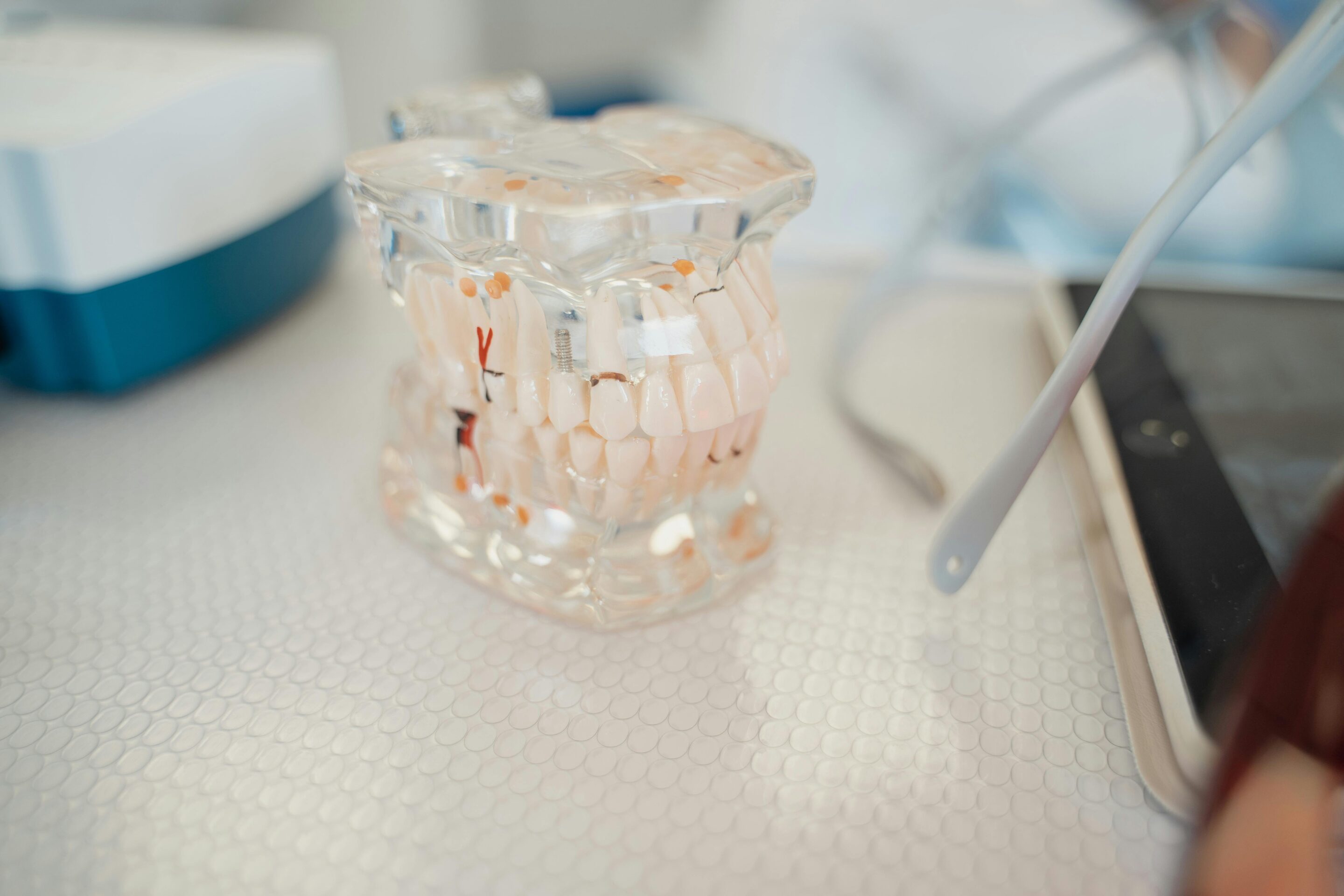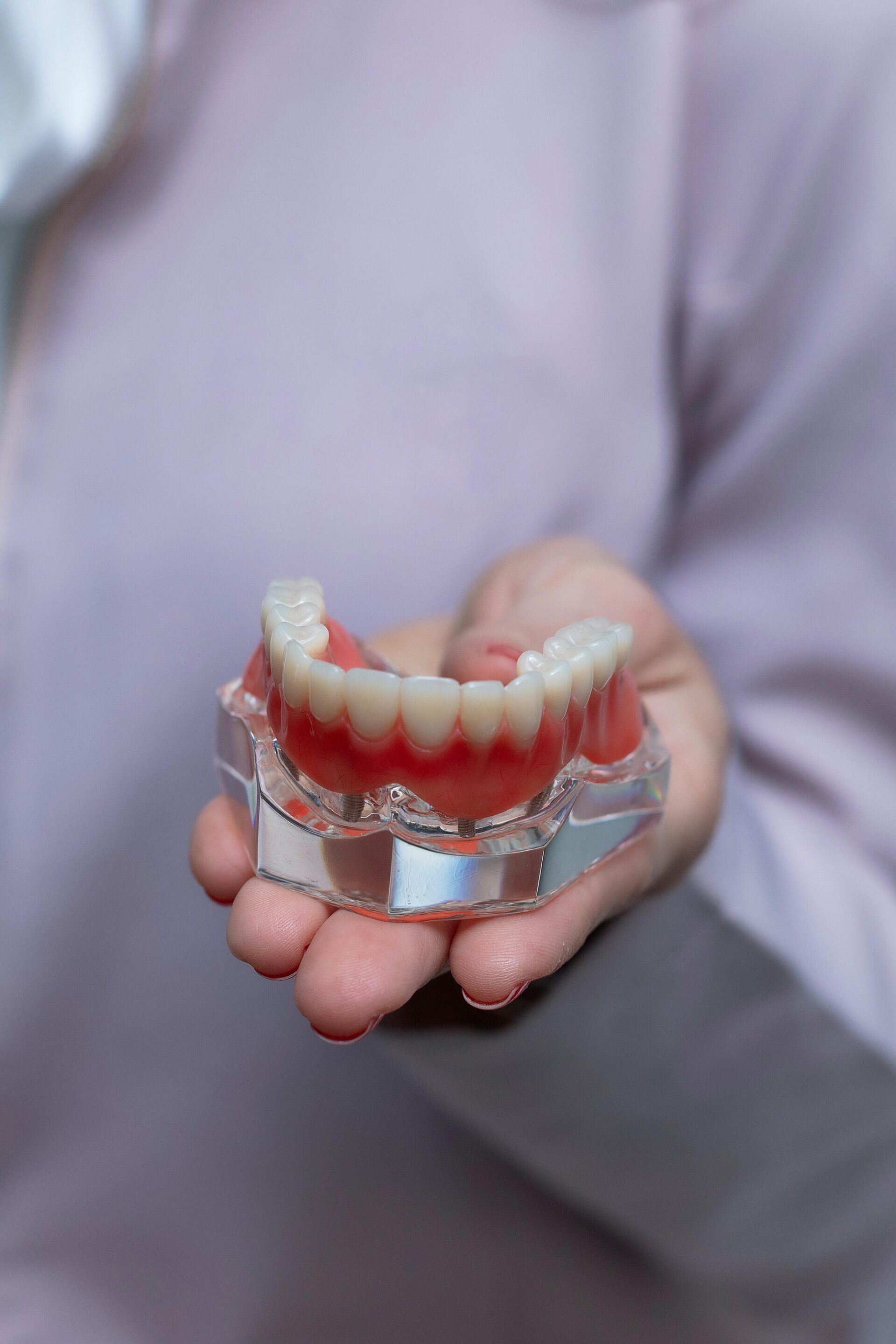

<p>Losing a tooth can feel like losing a part of yourself. Aside from aesthetic concerns, missing teeth can lead to serious health problems, especially bone loss in the jaw. Did you know that without the stimulation of a tooth, the jawbone begins to weaken and shrink? This can cause facial changes, difficulty eating, and further dental issues. Fortunately, dental implants offer a groundbreaking solution because implants prevent bone loss and help maintain your jaw’s strength and shape.</p> <p>Understanding how implants protect your bone is essential for making informed dental health decisions. In this post, we’ll explore why bone loss happens after tooth loss, how dental implant jaw bone integration works, and why implant bone preservation is key to a healthier, more natural smile. If you’re considering solutions to preserve your oral health, keep reading to discover how implants can make a difference.</p> <h2>Why Bone Loss Happens After Tooth Loss</h2> <p>When a tooth is lost, the jawbone no longer receives the stimulation it needs to stay healthy. Normally, the roots of your teeth send signals to the bone, encouraging it to maintain its density and strength. Without this stimulation, the bone begins to deteriorate—a process called resorption. Over time, this leads to noticeable changes in facial structure, weakened jaw strength, and difficulties with chewing.</p> <p>The decline can be rapid; within the first year after tooth loss, as much as 25% of bone mass in that area can be lost. This deterioration not only affects appearance but also complicates future dental treatments and implants.</p> <h2>How Implants Prevent Bone Loss</h2> <p>Dental implant jaw bone integration is a remarkable process where the implant acts like a natural tooth root. Made of biocompatible materials like titanium, the implant is inserted into the jawbone, which then gradually fuses around it in a process called osseointegration.</p> <p>This fusion provides the same stimulation as a natural root, signaling the bone to stay alive and healthy. As a result, implants prevent bone loss by maintaining the skeleton's integrity and encouraging continued bone growth around the implant.</p> <h2>Benefits of implant bone preservation include:</h2> <ul> <li>Maintains facial structure</li> <li>Prevents jawbone shrinkage</li> <li>Supports surrounding teeth</li> <li>Enhances long-term oral health</li> </ul> <h2>Reasons to Choose a Bone Loss Prevention Implant</h2> <p>Opting for an implant focused on bone preservation offers many advantages. These implants can help you avoid the facial sagging and sunken appearance often associated with bone loss. Plus, they provide a durable foundation for your new tooth, improving chewing function and speech.</p> <p>To maximize these benefits, it’s vital to seek treatment early, especially after tooth loss, to preserve as much jawbone as possible.</p> <p>If you’re ready to learn more about how implants can benefit your oral health, don’t hesitate to book a consultation. Our experienced team will guide you toward the best solution for your needs.</p> <h2>Caring for Your Dental Implants</h2> <p>Proper hygiene and regular dental visits are crucial for the longevity of your implants. Brushing twice daily, flossing, and routine check-ups help ensure your implant and surrounding bone remain healthy and strong.</p> <p>Ask your dentist about the best cleaning techniques and whether additional procedures, such as bone grafting, are needed to support your implant.</p> <h2>FAQs</h2> <h2>How do dental implants prevent bone loss?</h2> <p>Dental implants prevent bone loss by acting like natural tooth roots, stimulating the jawbone during chewing. This stimulation encourages natural bone growth and prevents resorption, ensuring the jaw remains strong and healthy.</p> <h2>Can I get dental implants if I already have significant bone loss?</h2> <p>Yes, but you may need additional treatment such as bone grafting to rebuild lost bone tissue. Our dental specialists can assess your situation and recommend the best approach to ensure the implant’s stability and effectiveness.</p> <h2>How long do dental implants last?</h2> <p>With proper care, dental implants can last 20 years or more. Regular dental check-ups, good oral hygiene, and avoiding harmful habits like smoking help prolong the life of your implants.</p> <h2>Will my facial appearance improve with implants?</h2> <p>Absolutely. Implants help preserve your jawbone and facial structure, preventing the sunken look that occurs with bone loss. Many patients find that their facial appearance remains natural and youthful with implants.</p> <h2>Why is early treatment important after tooth loss?</h2> <p>Early treatment helps limit bone loss and preserves the jaw’s shape and function. The sooner you get an implant after losing a tooth, the better your chances of retaining healthy bone and avoiding complex procedures later on.</p> <h2>Conclusion</h2> <p>Implants prevent bone loss by mimicking natural tooth roots and encouraging ongoing jawbone health. They provide essential stimulation that protects your facial structure, maintains your smile’s natural look, and supports long-term oral health. Recognizing the importance of implant bone preservation can help you make choices that benefit you for years to come.</p> <p>If you’ve experienced tooth loss or want to explore how implants can help preserve your jawbone, we’re here to assist. Booking an appointment is easy, and our team will work with you to find the best, most comfortable solution. Don’t wait—take the first step toward a healthier, more confident smile today.</p>

Essential Home Maintenance Checklist for a Healthy Smile
Learn how to maintain oral health with Just A Cleaning’s home maintenance checklist. Keep your smile…