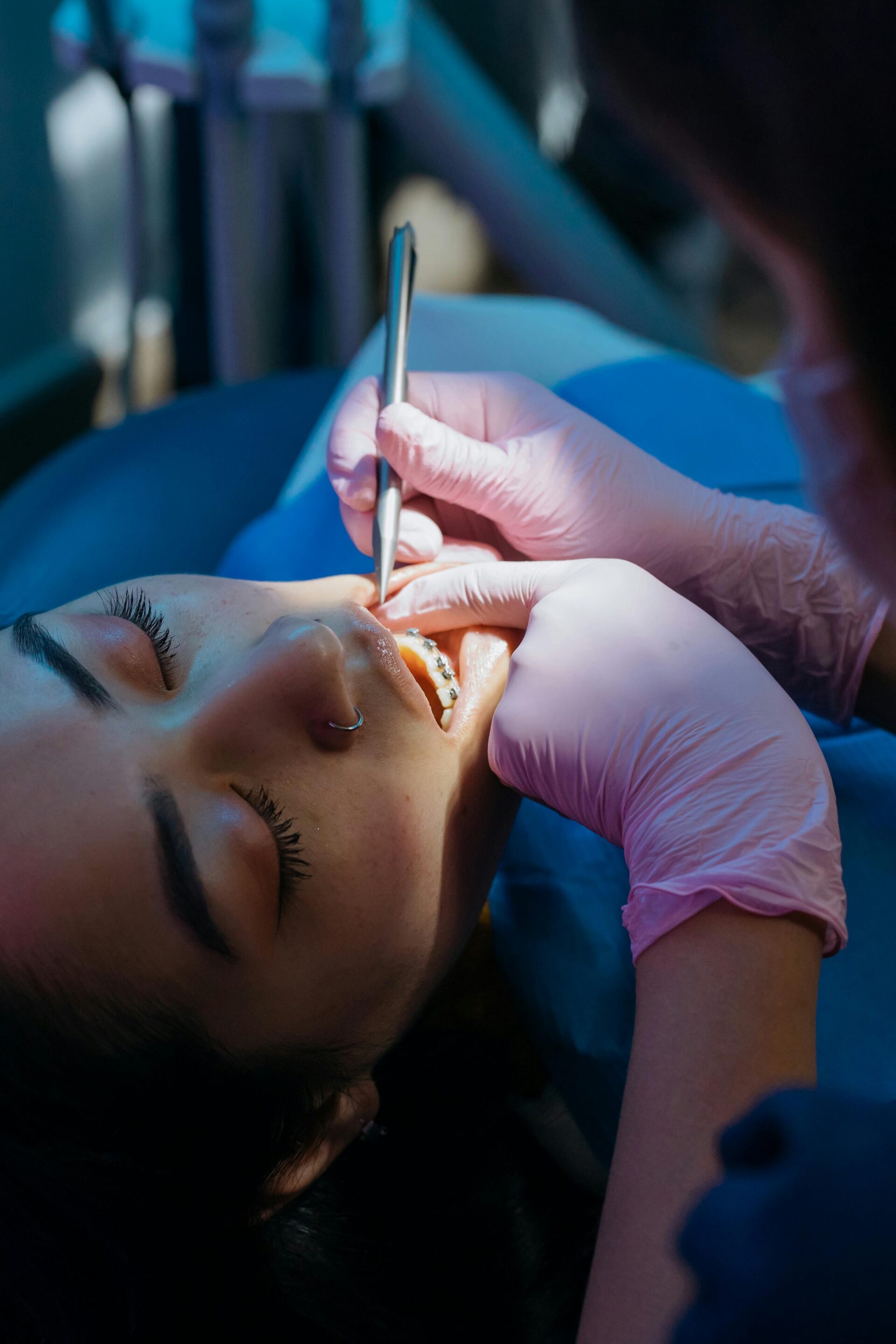

<p>Many people dread the thought of oral surgery, imagining pain, discomfort, or a long recovery. Fortunately, advances in sedation options have made these procedures much easier for patients. One of the most commonly used methods is IV sedation oral surgery, which allows you to undergo necessary dental work with minimal anxiety and maximum comfort. If you’ve been advised to consider sedation, understanding what it involves can help ease your concerns.</p> <p>This blog will walk you through the process of IV sedation in oral surgery, explaining how it works, what you can expect before, during, and after the procedure, and why it might be the right choice for your dental health. Whether you’re having wisdom teeth removed, dental implants placed, or other complex procedures, IV sedation offers a safe and effective way to experience treatment with peace of mind.</p> <h2>What Is IV Sedation for Oral Surgery?</h2> <p>IV sedation, also called intravenous sedation dental or conscious sedation oral surgery, is a technique where medication is administered directly into your bloodstream through a vein. This method allows for a deeply relaxed state, often with little to no memory of the procedure.</p> <p>Unlike general anesthesia, IV sedation keeps you in a state of conscious awareness — you won’t be completely unconscious but will feel calm and drowsy. This makes it ideal for patients who experience dental anxiety or require more extensive procedures.</p> <p>The medications used can include sedation, anti-anxiety drugs, or analgesics, tailored to your individual needs. Safety is a top priority, and your medical history will be carefully reviewed before the procedure to minimize risks.</p> <h2>How Does IV Sedation Work?</h2> <p>Once you arrive at the dental office, the sedation process begins with a small IV line placed in your arm or hand. The dentist or anesthesiologist will then administer the sedative medications gradually, adjusting dosage as needed.</p> <p>During the procedure, you’ll feel a sense of deep relaxation. Many patients report feeling they “drift off” or simply feel very sleepy. Throughout, your vital signs are monitored to ensure safety. You may also receive local anesthesia to numb the surgical area, preventing pain during the procedure.</p> <p>The benefits include:</p> <ul> <li>Minimal discomfort</li> <li>Reduced anxiety</li> <li>Amnesia of most or all of the procedure</li> <li>Faster recovery than traditional sedation methods</li> </ul> <h2>Preparing for IV Sedation Oral Surgery</h2> <p>Proper preparation is key to a smooth experience. You’ll be asked to avoid eating or drinking for several hours before your appointment—typically from midnight the night before. Communicate any medications you’re taking, allergies, or health conditions with your dental team.</p> <p>On the day of your surgery, make sure to wear comfortable clothing and plan for a responsible adult to accompany you afterward, as you won’t be able to drive yourself home. It’s also recommended to arrange for a quiet, comfortable space to rest after the procedure.</p> <h2>What to Expect During and After the Procedure</h2> <p>During IV sedation oral surgery, you’ll lie comfortably in the chair as the sedatives take effect. You will not feel pain or discomfort, though local anesthesia will likely be used to numb the treatment site. The procedure duration varies but can typically range from 30 minutes to a few hours.</p> <p>Afterward, you’ll spend some time in a recovery area where medical staff monitor your vital signs. Once your sedation wears off and you’re alert enough, you’ll receive instructions for aftercare. It’s normal to experience some grogginess, mild dizziness, or soreness, which can be managed with recommended medications and rest.</p> <p>Most patients return home the same day, feeling relaxed and well cared for. It’s important to follow your dentist’s guidelines on eating, drinking, and activity restrictions during recovery.</p> <h2>Thinking About Booking an Appointment?</h2> <p>If IV sedation oral surgery sounds like the right choice for your next dental procedure, don’t hesitate to get in touch. Our experienced team is dedicated to making your experience as comfortable and stress-free as possible. Schedule a consultation today and take the first step toward pain-free, worry-free dental care.</p> <h2>FAQs</h2> <h3>Is IV sedation safe for everyone?</h3> <p>Most healthy individuals can safely undergo IV sedation oral surgery, but it’s important to discuss your medical history with your dentist or anesthesiologist. They will evaluate whether this sedation method is suitable for you and can customize the approach accordingly.</p> <h3>Will I be completely awake during the procedure?</h3> <p>No, IV sedation usually keeps you in a state of deep relaxation or light sleep. You won’t be fully unconscious but will be comfortable, calm, and often unaware of the procedure happening.</p> <h3>How long does recovery take after IV sedation?</h3> <p>Recovery time varies, but most people feel groggy for a few hours after the procedure. You should plan to rest for the remainder of the day and avoid activities like driving or operating machinery until you’re fully alert.</p> <h3>Can I eat or drink normally afterward?</h3> <p>It’s best to follow your dentist’s specific instructions, but generally, you should wait until the effects of sedation wear off before eating or drinking. Start with gentle, easy-to-digest foods and stay well-hydrated.</p> <h3>Is IV sedation painful?</h3> <p>No, IV sedation is designed to make you comfortable and pain-free. Local anesthesia will numb the surgical area to prevent any discomfort during the procedure.</p> <h2>Conclusion</h2> <p>IV sedation for oral surgery offers a safe, effective way to manage dental anxiety and enhance your comfort during complex procedures. From preparation through recovery, understanding what to expect can help ease any worries and make the experience more manageable. If you’re considering sedation options for your upcoming oral surgery, talk to your dental care team about whether IV sedation is suitable for you. They are committed to providing compassionate, personalized care that prioritizes your safety and comfort.</p> <p>Booking an appointment is quick and easy, and many patients find that anesthesia options help them approach their dental health with confidence and peace of mind. Don’t let fear or discomfort hold you back—take the next step toward healthier, happier teeth today.</p>

Essential Home Maintenance Checklist for a Healthy Smile
Learn how to maintain oral health with Just A Cleaning’s home maintenance checklist. Keep your smile…