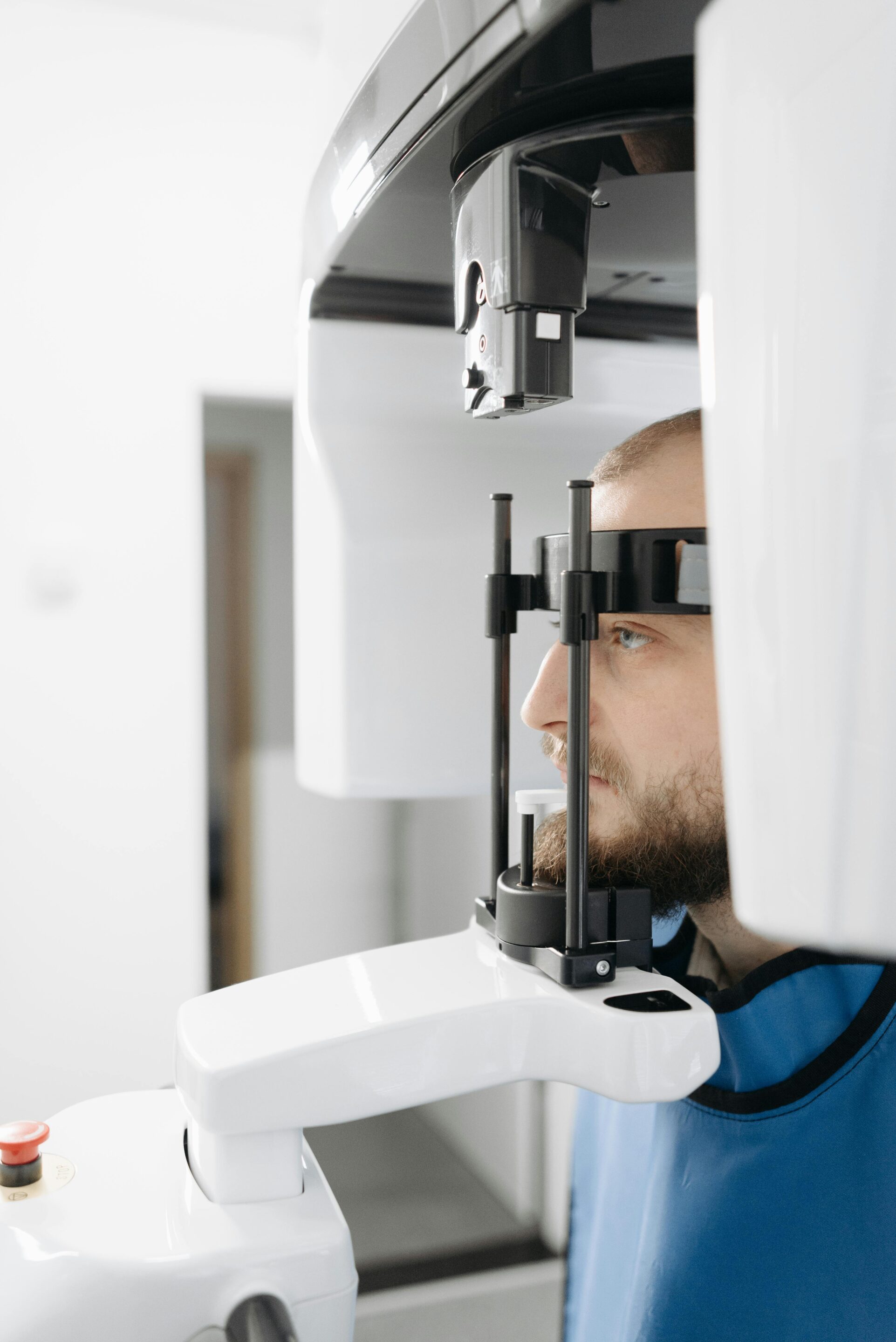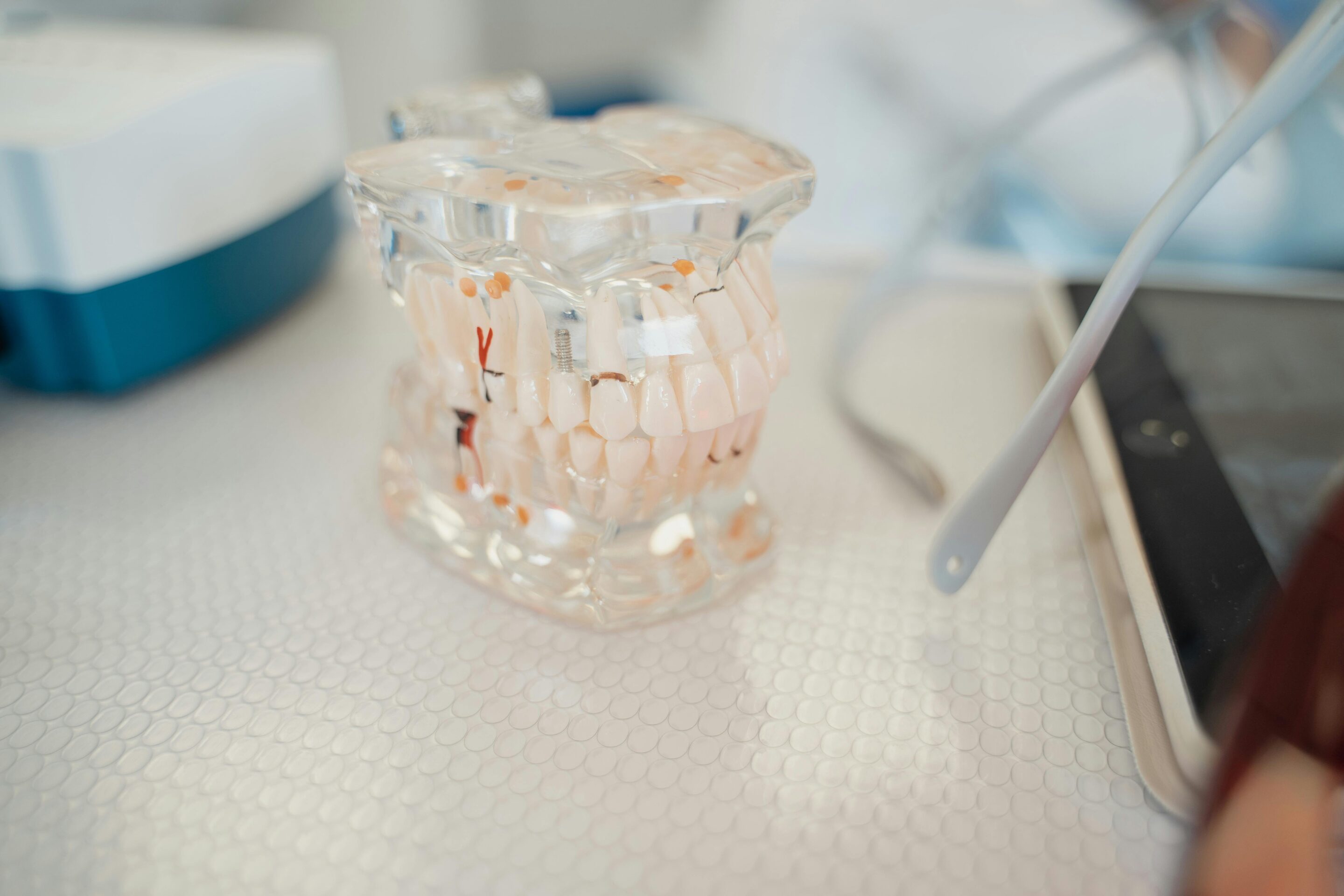

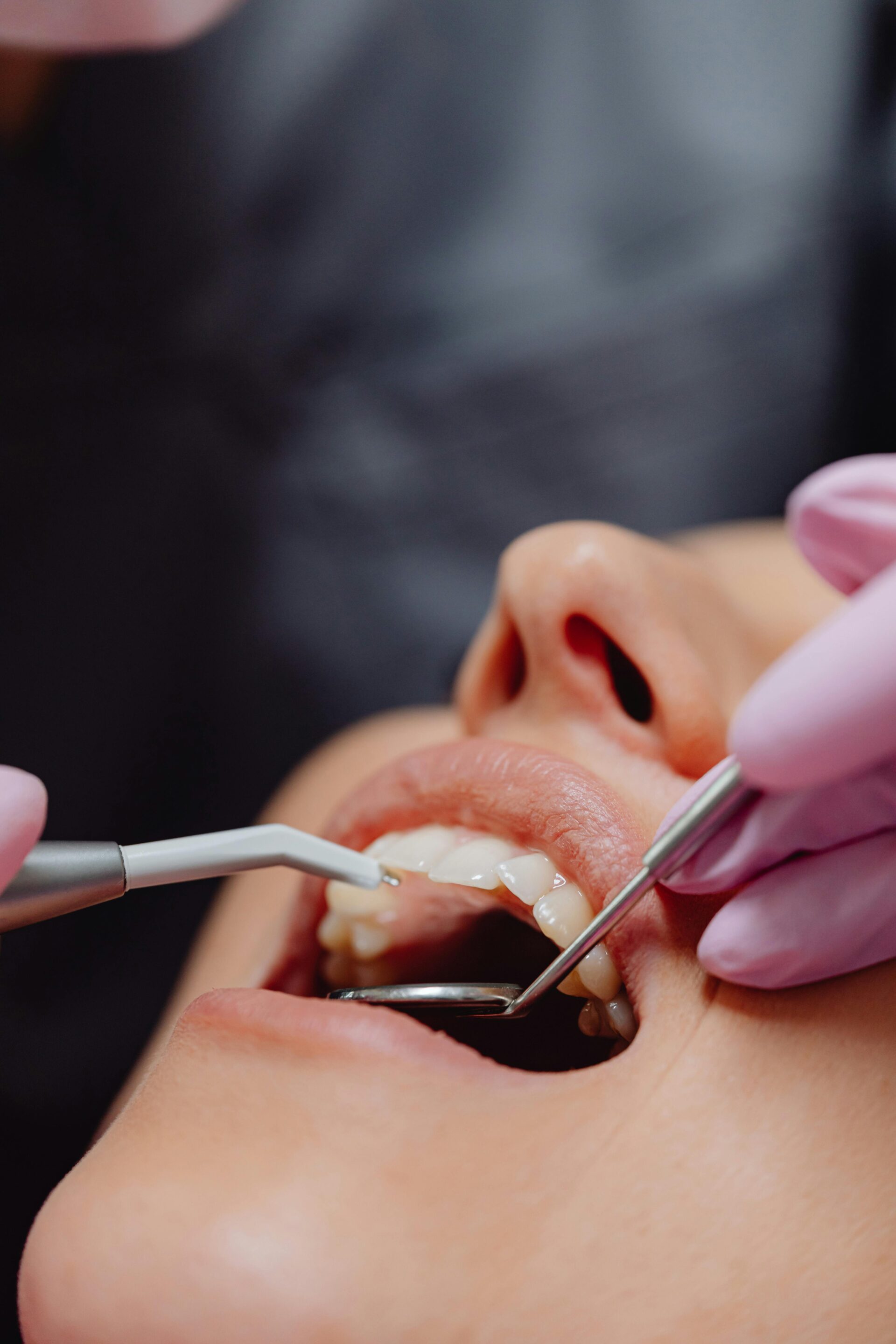
<p>Many people aren’t aware they have early signs of gum disease until more serious problems arise. In fact, approximately half of adults over 30 show some signs of periodontal issues, often unknowingly. Among these, stage 1 periodontal disease, also known as mild gum disease or early periodontitis, is the first stage of a condition that can progress if left untreated. Recognizing the symptoms early and understanding the available treatments can save your teeth and preserve your overall health. Learning about stage 1 periodontal disease is essential for maintaining good oral hygiene and catching potential issues before they worsen.</p> <p>This stage often presents with subtle signs, making it easy to overlook. But prompt attention through professional care can reverse or halt its progression. If you notice bleeding gums, redness, or swelling, don’t wait—early intervention is key. Keeping your gums healthy not only benefits your teeth but also supports your general well-being. In this post, we will explore what stage 1 periodontal disease is, its symptoms, causes, and the best ways to treat it.</p> <h2>Understanding Stage 1 Periodontal Disease</h2> <p>Stage 1 periodontal disease is the initial phase of gum infection caused by plaque buildup. It’s characterized by mild inflammation and minimal damage to the supporting structures of your teeth. Often, people mistake it for minor gum irritation, but early treatment can prevent progression.</p> <p>At this stage, the gums may bleed during brushing or flossing, and they might appear swollen or red. The damage is usually reversible, making it a critical opportunity for intervention. If not addressed, it can develop into more severe forms of periodontitis, which may lead to tooth loss and other health issues.</p> <h2>Symptoms to Watch For</h2> <p>You might not realize you have stage 1 periodontal disease because symptoms are often subtle. However, common signs include:</p> <ul><li>Bleeding gums during brushing or flossing</li><li>Redness or swelling of the gums</li><li>Gums that feel tender or sore</li><li>Bad breath that doesn't go away</li><li>Receding gums or teeth appearing slightly longer</li></ul> <p>If you notice any of these signs, it’s important to consult your dentist promptly. Early diagnosis leads to simpler and more effective treatment, ensuring your gums and teeth remain healthy.</p> <h2>Causes and Risk Factors</h2> <p>This mild form of gum disease often results from poor oral hygiene, which allows plaque—a sticky film of bacteria—to accumulate along the gum line. Other risk factors include:</p> <ul><li>Smoking or tobacco use</li><li>Poor nutrition</li><li>Changes in hormones (pregnancy, menopause)</li><li>Certain illnesses like diabetes</li><li>Genetic predisposition</li></ul> <p>Understanding these factors can help you take preventive steps, such as maintaining good oral hygiene routines and regular dental visits.</p> <h2>Treatment Options for Stage 1 Periodontitis</h2> <p>The primary goal at this stage is to remove plaque and tartar buildup and reduce inflammation. Treatment methods typically include:</p> <ol><li>Professional dental cleaning: A thorough cleaning beyond regular brushing and flossing to remove plaque and calculus.</li><li>Improved oral hygiene: Brushing twice daily, flossing, and using antiseptic rinses.</li><li>Periodontal maintenance: Regular check-ups to monitor gum health and prevent progression.</li></ol> <p>In some cases, your dentist may recommend scaling and root planing, a deep cleaning procedure that cleans beneath the gum line and smooths the roots to help gums reattach securely.</p> <p>Maintaining healthy gums requires ongoing care. Adopting a good oral hygiene routine at home and scheduling regular dental visits can prevent stage 1 periodontal disease from advancing to more serious stages.</p> <h2>Book Your Appointment Today</h2> <p>If you suspect you might have early signs of gum disease, don’t wait. Early intervention is simple, affordable, and highly effective. Schedule a consultation with your periodontist today to get personalized advice and treatment options. Healthy gums lead to a healthier smile and overall well-being.</p> <h2>Frequently Asked Questions</h2> <h3>What is the difference between mild gum disease and early periodontitis?</h3> <p>Mild gum disease and early periodontitis are often used interchangeably; both refer to stage 1 periodontal disease characterized by minimal inflammation and gum damage. The key difference is that early periodontitis indicates the onset of tissue and bone loss, whereas mild gum disease primarily involves inflammation without significant tissue destruction.</p> <h3>Can stage 1 periodontal disease be reversed?</h3> <p>Yes, with proper treatment—such as professional cleaning, improved oral hygiene, and regular dental visits—stage 1 periodontal disease can typically be reversed or halted before it worsens.</p> <h3>How do I know if I have periodontal disease?</h3> <p>Signs include bleeding gums, redness, swelling, bad breath, and gum recession. However, a dental professional can diagnose periodontal disease through a periodontal exam and x-rays, as early stages may not always be obvious.</p> <h3>Is stage 1 periodontitis treatment painful?</h3> <p>Most treatments for stage 1 periodontitis are minimally invasive and often painless. Your dentist or periodontist may use local anesthesia for deep cleaning procedures, making the experience comfortable.</p> <h3>How often should I visit the dentist if I have early gum disease?</h3> <p>If diagnosed with early gum disease, most dentists recommend visits every three to four months for cleanings and monitoring. Maintaining regular professional care prevents progression and supports gum health.</p> <h2>Conclusion</h2> <p>Understanding stage 1 periodontal disease is vital for anyone concerned about maintaining healthy teeth and gums. Recognizing the symptoms early and seeking prompt treatment can reverse mild gum disease, preventing it from progressing into more severe and damaging forms. Good oral hygiene habits combined with professional care are your best defense against early periodontitis. Remember, catching the signs now can save you time, money, and the health of your smile in the long run.</p> <p>Don’t hesitate to take the first step toward healthier gums. Booking an appointment with your dental professional is quick and straightforward. Protect your smile today—your future self will thank you!</p>

Essential Home Maintenance Checklist for a Healthy Smile
Learn how to maintain oral health with Just A Cleaning’s home maintenance checklist. Keep your smile…