
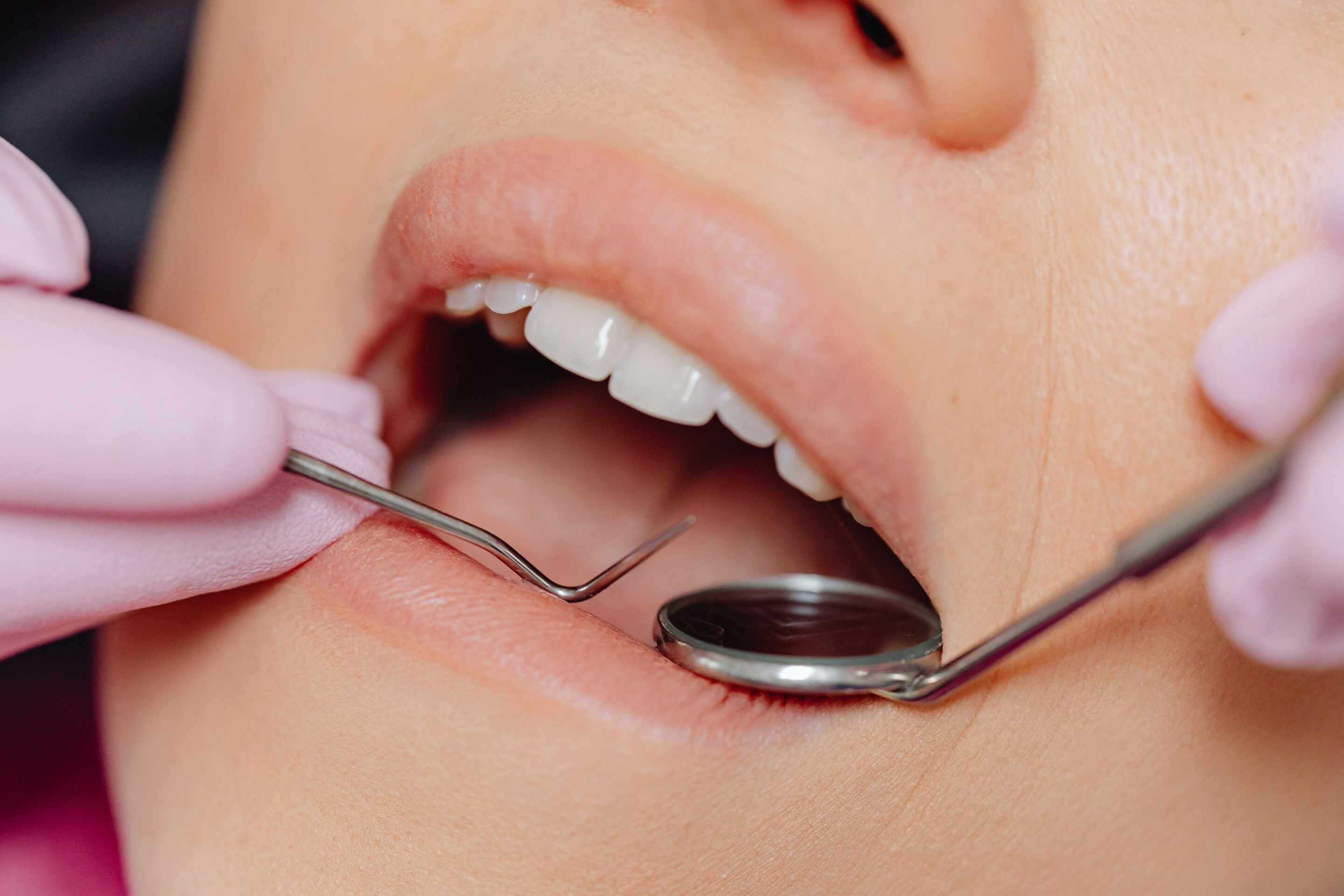
<p>If you've been told you have severe gum disease or are experiencing ongoing gum inflammation and bleeding, you might be facing a serious dental issue known as stage 3 periodontal disease. This advanced stage of gum disease, also called advanced periodontitis stage 3, signifies significant damage to the tissues supporting your teeth. Without prompt treatment, it can lead to tooth loss and other health problems. Many people underestimate the seriousness of severe gum disease, believing it’s just a matter of bad brushing habits, but it’s a progressive condition that needs professional attention. Understanding the signs, causes, and available treatments can empower you to take control of your oral health and prevent further complications.</p> <h2>What is Stage 3 Periodontal Disease?</h2> <p>Stage 3 periodontal disease is the advanced phase of gum infection where destructive bacteria have severely affected the tissues and bone that hold your teeth in place. It typically develops after earlier stages of gum disease, like gingivitis, have gone untreated or unnoticed.</p> <p>In stage 3, you may experience deep periodontal pockets, persistent bad breath, and visible gum recession. The damage often causes teeth to become loose or shift, leading to bite changes. If left untreated, it can progress into the most severe form—stage 4 or complete tooth loss.</p> <h2>Understanding Severe Gum Disease</h2> <p>Severe gum disease, or advanced periodontitis stage 3, involves the deterioration of the supporting structures of the teeth. The bacteria produce toxins, which harm the gums and bone, causing inflammation and tissue destruction.</p> <p>Common signs include:</p> <ul><li>Swollen, red, or bleeding gums</li><li>Pus between teeth and gums</li><li>Gum recession exposing more of the tooth</li><li>Loose or shifting teeth</li><li>Persistent bad taste or foul odor</li></ul> <p>Stage 3 is serious but treatable, especially when detected early.</p> <h2>Causes and Risk Factors</h2> <h2>Several factors can increase your risk of developing stage 3 periodontal disease, including</h2> <ul><li>Poor oral hygiene habits</li><li>Smoking or tobacco use</li><li>Genetic predisposition</li><li>Poor nutrition</li><li>Chronic conditions like diabetes</li><li>Hormonal changes in women</li></ul> <p>Understanding one’s risk factors allows for targeted prevention and early intervention.</p> <h2>Treatment Options for Advanced Periodontitis Stage 3</h2> <p>Addressing stage 3 periodontal disease requires professional dental care designed to halt progression and restore tissue health. Typical treatments include:</p> <ul><li>Deep cleaning (scaling and root planing)</li><li>Antibiotic therapy to eliminate bacteria</li><li>Surgical procedures like flap surgery or bone grafts for extensive damage</li><li>Regular maintenance visits to monitor and manage the disease</li></ul> <p>Early intervention can prevent the need for more invasive treatments and reduce the risk of tooth loss.</p> <h2>Take Action Today — Book Your Appointment</h2> <p>If you suspect you have stage 3 periodontal disease or are experiencing symptoms of severe gum disease, don’t wait. Our experienced periodontists are here to help diagnose and develop a personalized treatment plan. Contact us today to schedule your appointment and take the first step toward healthier gums and teeth.</p> <h2>FAQs</h2> <h3>What are the early signs of periodontal disease?</h3> <p>Early signs include gum bleeding during brushing or flossing, red or swollen gums, bad breath, and gum sensitivity. Recognizing these signs early can prevent progression to more serious stages.</p> <h3>How does severe gum disease lead to tooth loss?</h3> <p>Severe gum disease damages the supporting tissues and bone around the teeth, causing teeth to loosen or fall out. The destruction prevents proper support, making preservation difficult without intervention.</p> <h3>Can stage 3 periodontal disease be reversed?</h3> <p>While some tissue damage may be permanent, early and aggressive treatment at stage 3 can halt further progression, regenerate some tissue, and stabilize your teeth. Complete reversal varies based on severity.</p> <h3>Is surgery always necessary at stage 3?</h3> <p>Not always. Mild to moderate cases may respond to deep cleaning and medication. However, extensive damage often requires surgical procedures to restore lost tissue and bone support.</p> <h3>How can I prevent progression of gum disease?</h3> <p>Maintain good oral hygiene with regular brushing and flossing, visit your dentist for routine checkups, avoid tobacco, and manage systemic health conditions like diabetes to reduce risk.</p> <h2>Conclusion</h2> <p>Stage 3 periodontal disease is a critical stage that demands prompt attention to prevent permanent damage and tooth loss. Recognizing the signs early and seeking professional care can dramatically improve outcomes. This advanced periodontitis stage 3 is a serious form of severe gum disease but is manageable with targeted treatments. Remember, healthy gums are essential not only for your smile but for your overall health. Taking proactive steps now can preserve your natural teeth and boost your confidence.</p> <p>Are you ready to take control of your gum health? Our caring team is here to guide you through effective treatment options tailored to your needs. Booking an appointment is simple, and the journey toward healthier gums starts with a single call. Don’t hesitate — your smile deserves expert care.</p>

Essential Home Maintenance Checklist for a Healthy Smile
Learn how to maintain oral health with Just A Cleaning’s home maintenance checklist. Keep your smile…