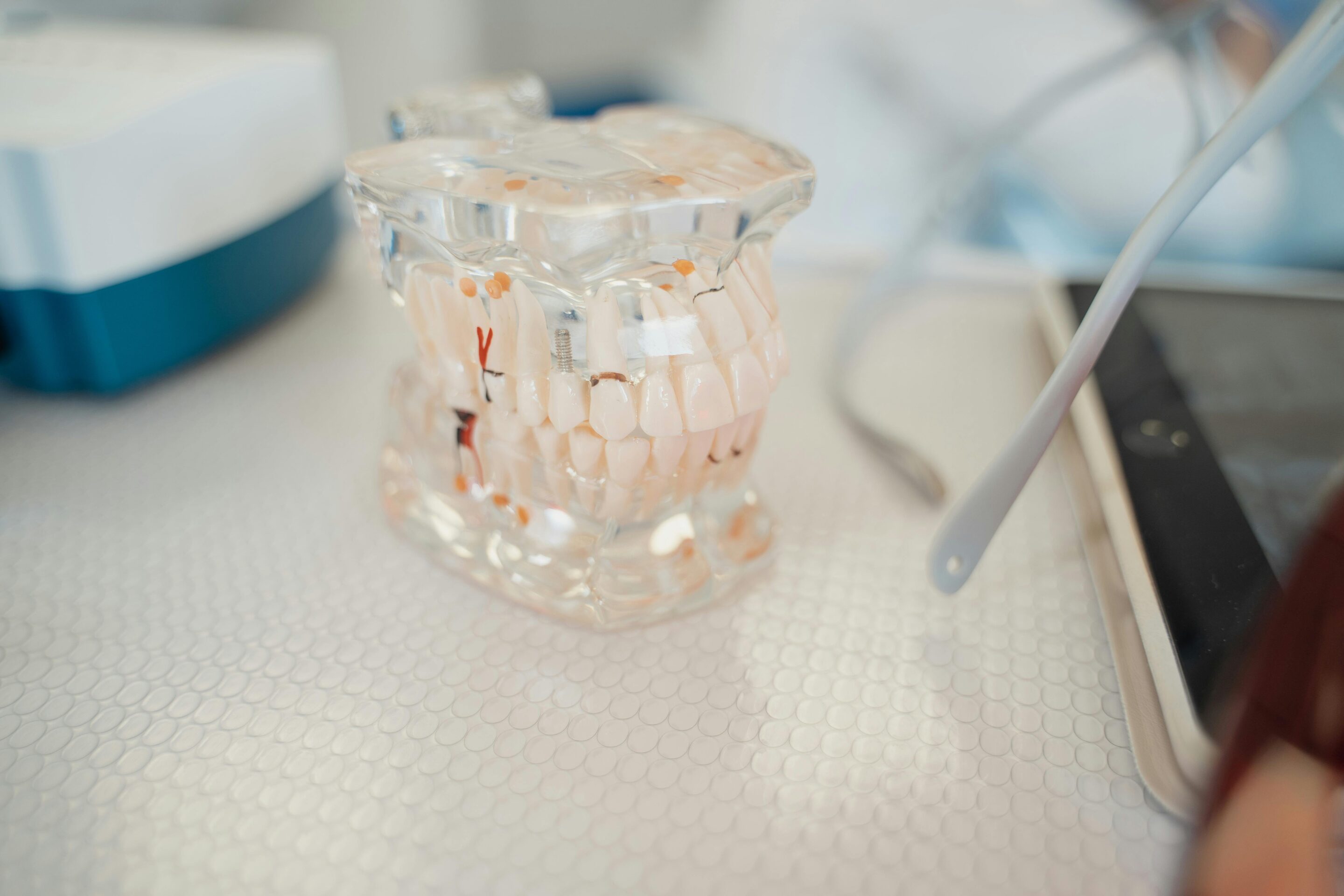

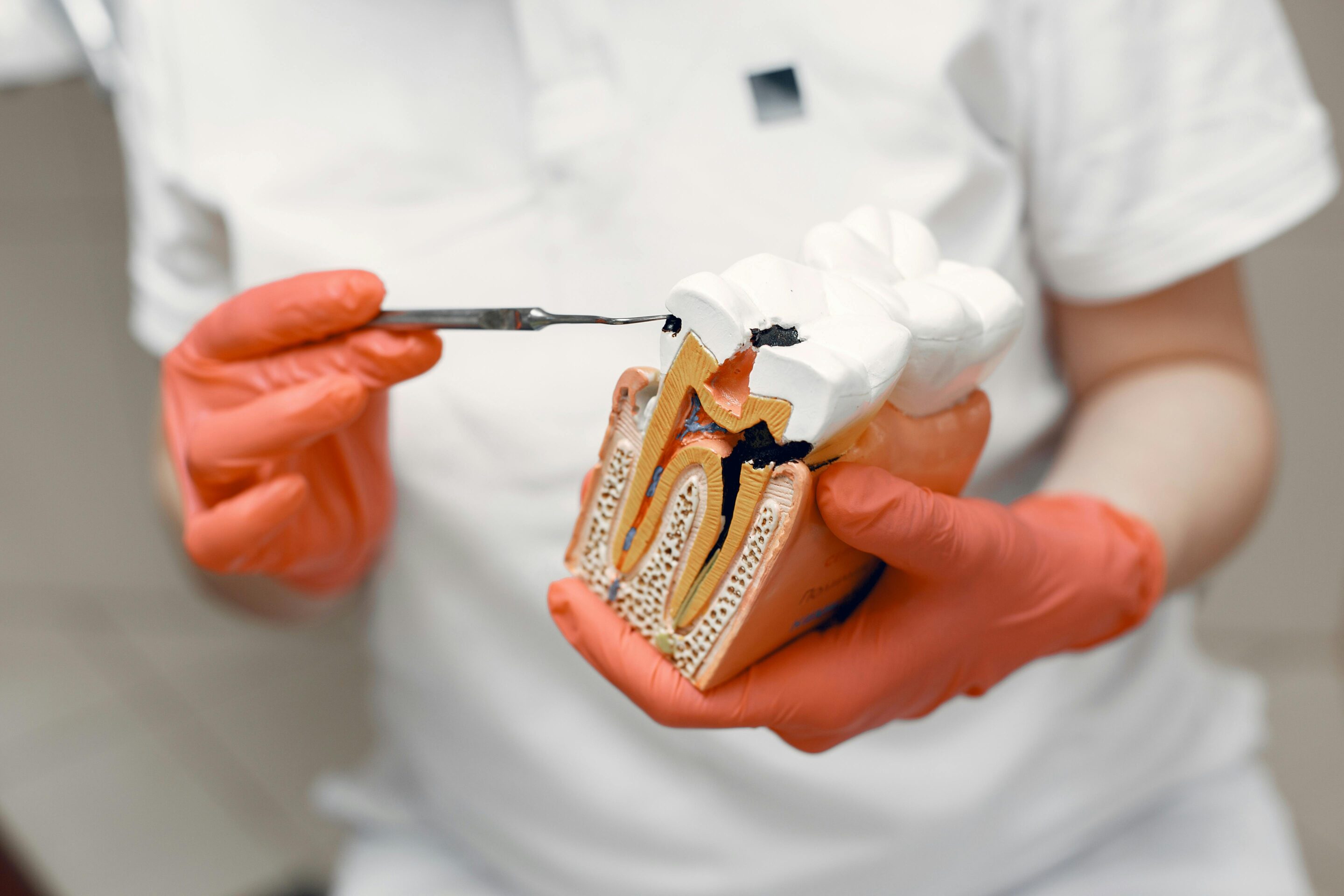
<p>When tooth pain becomes intense and persistent, it’s easy to feel worried about what’s going on inside your mouth. Did you know that millions of people undergo root canal treatments each year to save their natural teeth? If your dentist has recommended a root canal, you might wonder what truly happens inside your tooth during this procedure. Understanding what happens inside the tooth root canal can help ease your fears and prepare you for the treatment. In this blog, we’ll explore the intricate process of inside root canal treatment, from the initial diagnosis to the final sealing, so you know exactly what to expect and why it’s an essential step to preserve your dental health.</p> <p>The Anatomy of a Tooth and the Need for Root Canal Treatment</p> <p>Before diving into what happens inside the root canal, it’s important to understand the anatomy of a tooth. Your tooth is made up of multiple layers: the outer enamel, the underlying dentin, and the innermost pulp. The pulp contains nerves, blood vessels, and connective tissue that nourish the tooth. Sometimes, bacteria or deep decay can penetrate the enamel and dentin, reaching the pulp, causing infection or inflammation.</p> <p>When this happens, root canal treatment becomes necessary to remove the infected tissue and save the tooth from extraction. It’s a precise process that targets the inside of the tooth, working within the root canal system, which extends from the pulp chamber down through the roots.</p> <h2>What Happens Inside Tooth Root Canal: The Procedure Step-by-Step</h2> <h2>The inside root canal treatment involves several carefully executed steps:</h2> <ol><li>Diagnosis and anesthesia: Your dentist will confirm the need for a root canal, often through X-rays. Local anesthesia numbs the area, ensuring a comfortable experience.</li></ol> <ol><li>Tooth isolation: A rubber dam is placed around the tooth to keep it dry and free from saliva during the procedure.</li></ol> <ol><li>Access opening: The dentist creates a small opening in the tooth’s crown to reach the pulp chamber. This is a tiny hole, carefully made to access the disease or damaged tissue.</li></ol> <ol><li>Pulp removal root canal: The infected nerves and tissue are carefully removed using specialized instruments called files. This step is crucial to eliminate bacteria and prevent further infection.</li></ol> <ol><li>Cleaning and shaping: The root canals are thoroughly cleaned with antiseptic solutions. The dentist shapes them to prepare for filling, ensuring all bacteria are removed.</li></ol> <ol><li>Filling and sealing the inside: Once cleaned and shaped, the canals are filled with a biocompatible material called gutta-percha. This seals the space, preventing bacteria from re-entering.</li></ol> <ol><li>Restoration: The access opening is sealed, and often a crown is placed to restore the tooth’s strength and function.</li></ol> <p>Understanding the root canal anatomy process helps appreciate the skill involved in saving your natural tooth and preventing future dental issues. Remember, the success of the treatment depends on careful cleaning, shaping, and sealing.</p> <p>Thinking about getting a root canal? Don’t hesitate to schedule an appointment with your trusted dentist. It’s a safe, effective way to relieve pain and save your tooth from extraction.</p> <h2>FAQs</h2> <h2>What is the purpose of pulp removal during a root canal?</h2> <p>Pulp removal is done to eliminate infected or damaged tissue that causes pain and infection. Removing the pulp prevents the spread of bacteria and stops further damage inside the tooth, allowing the tooth to be preserved and restored.</p> <h2>How does a root canal save the tooth?</h2> <p>A root canal removes infected tissue within the tooth’s root system, stopping infection spread and relieving pain. After cleaning and sealing, the tooth remains functional and protected from future infections, often lasting a lifetime with proper care.</p> <h2>Is the inside of my tooth sterile after a root canal?</h2> <p>After a root canal, the inside of your tooth is thoroughly cleaned and sealed with a biocompatible material. While the procedure aims to eliminate bacteria, maintaining good oral hygiene is important to prevent future infections.</p> <h2>What might happen if I delay a root canal?</h2> <p>Delaying a root canal can lead to worsening infection, increased pain, abscess formation, and in severe cases, tooth loss. Prompt treatment helps save your natural tooth and prevents more serious health complications.</p> <h2>Conclusion</h2> <p>Understanding what happens inside a tooth root canal can make the treatment process feel less intimidating. Knowing that the procedure involves precise removal of infected tissue, careful cleaning, and sealing within the root canal system helps explain why it’s such an effective solution for saving your natural tooth. Root canal therapy addresses the core of dental pain and infection, preserving your smile and overall health. If you’re experiencing tooth pain or have been advised to undergo a root canal, trust that modern techniques and compassionate care will guide you comfortably through the process.</p> <p>Don’t wait to take care of your dental health. Booking an appointment with your dentist is simple and can bring relief from discomfort while saving your natural tooth. Your smile deserves the best care—schedule your visit today and take the first step toward healthier teeth.</p>

Essential Home Maintenance Checklist for a Healthy Smile
Learn how to maintain oral health with Just A Cleaning’s home maintenance checklist. Keep your smile…