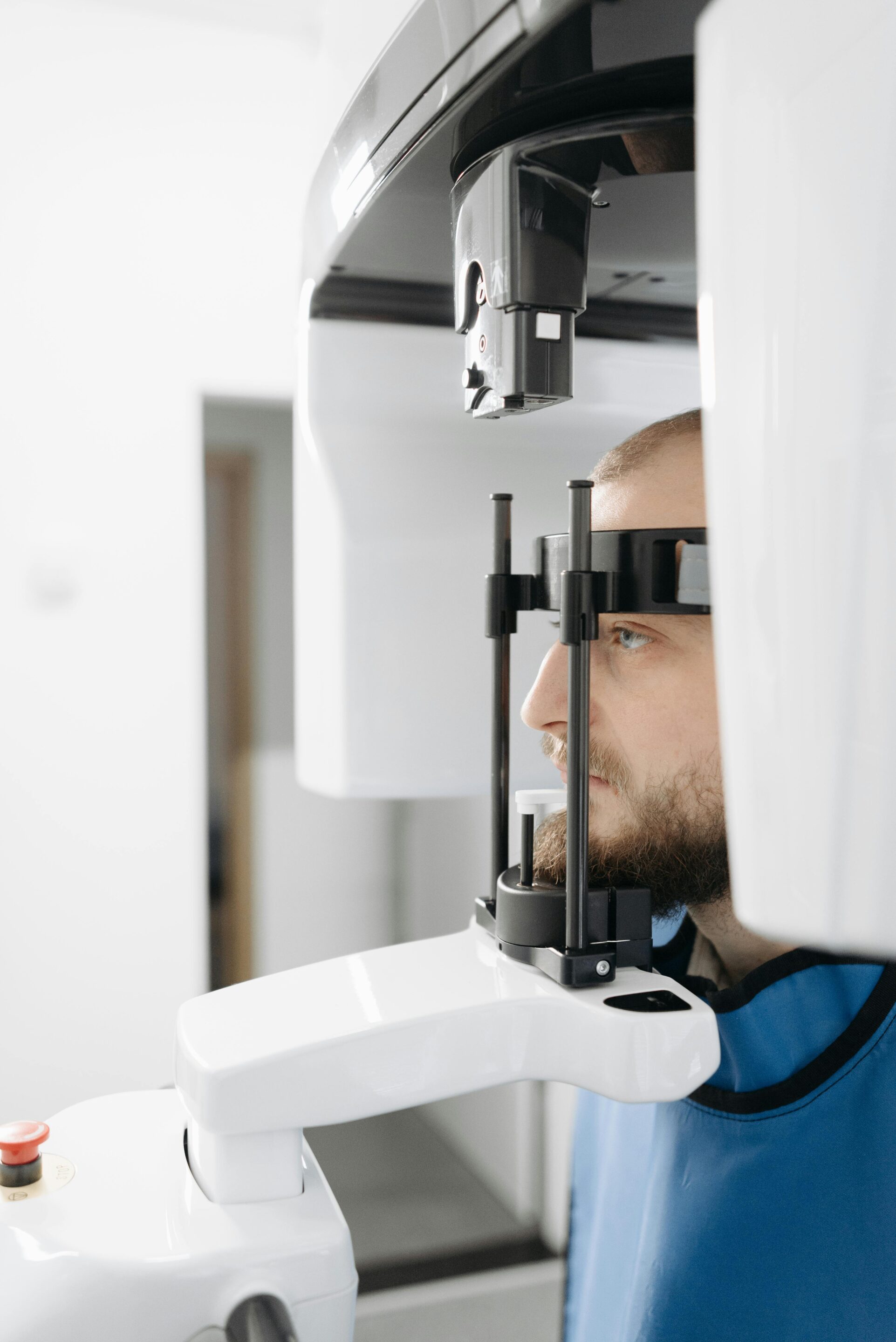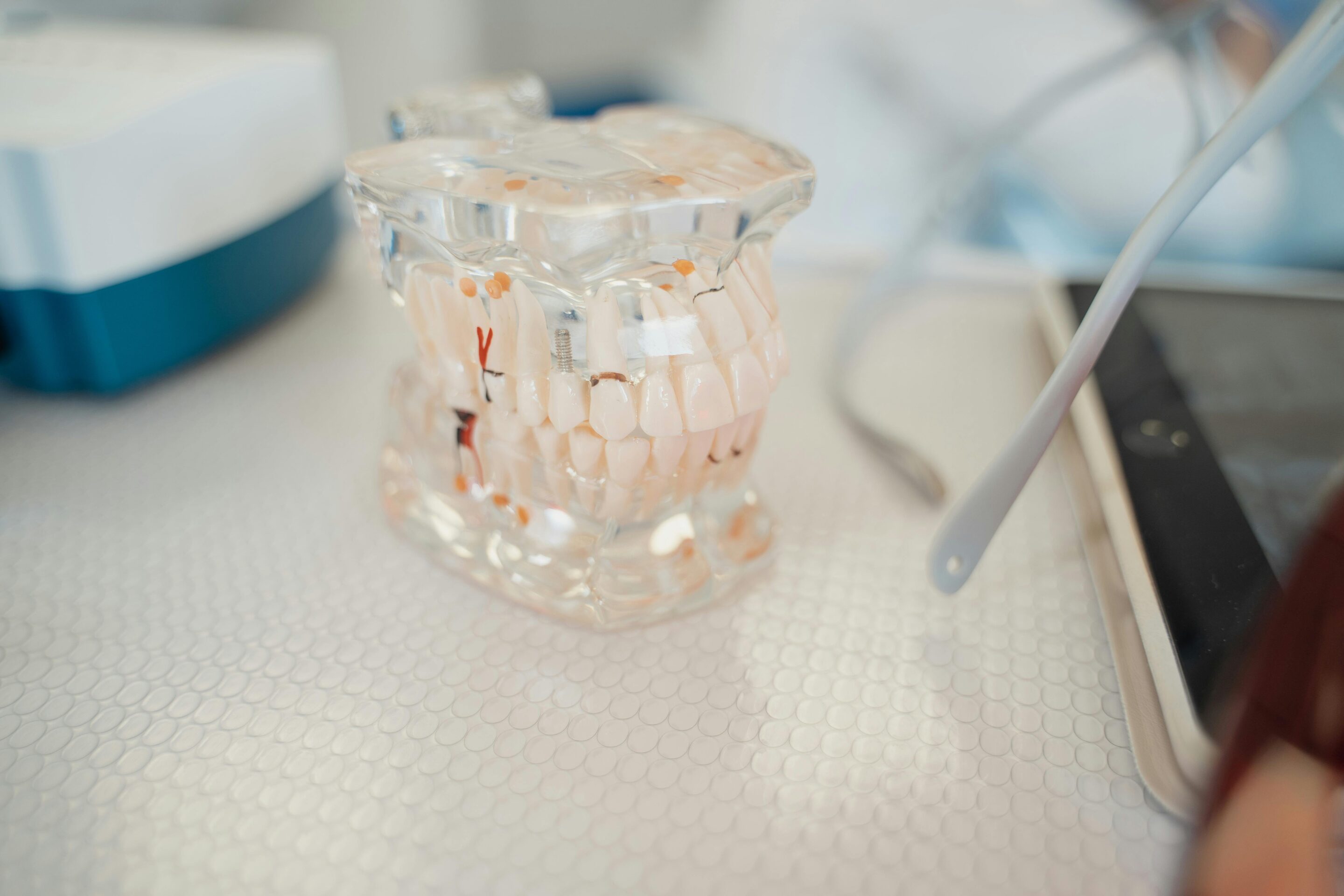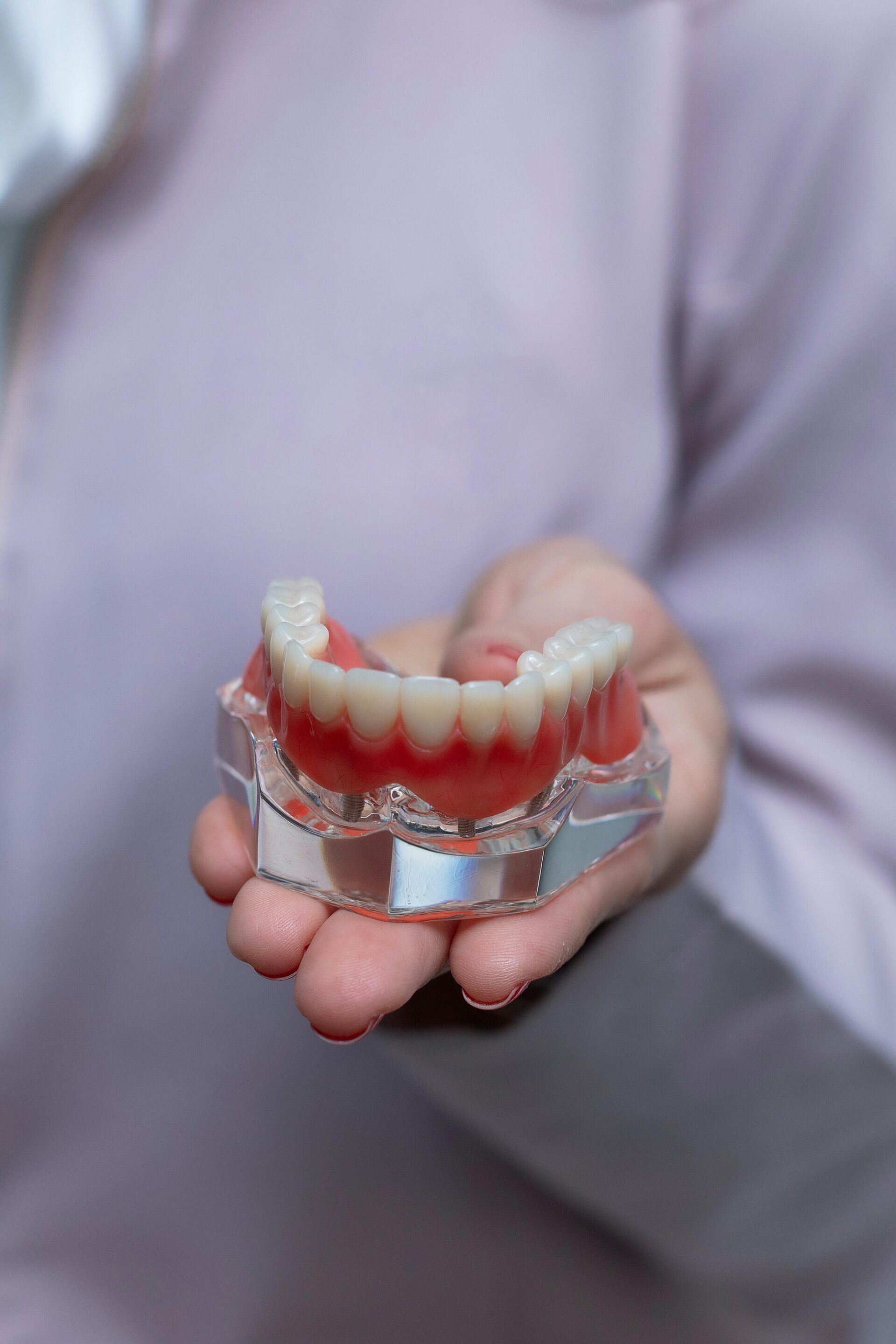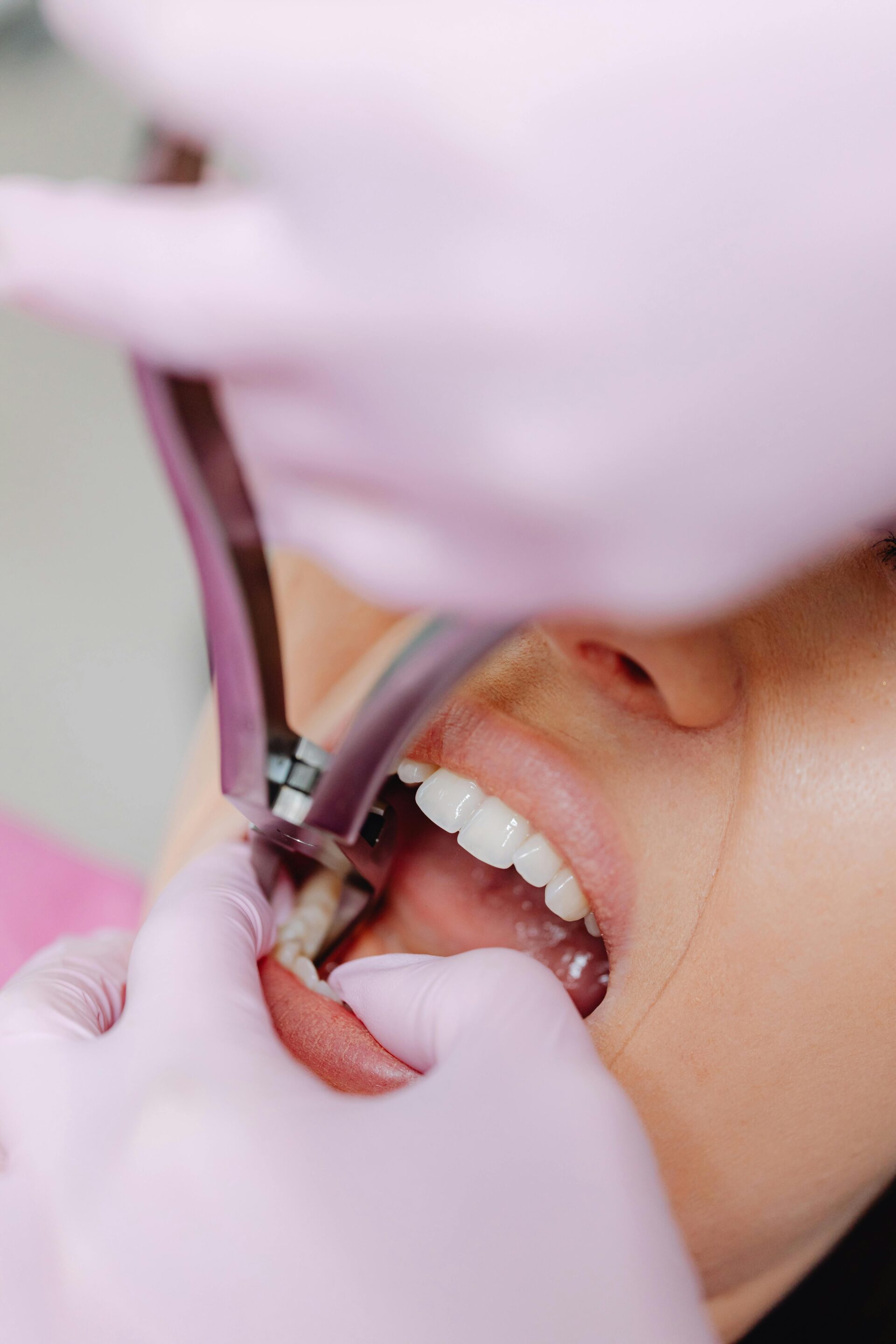

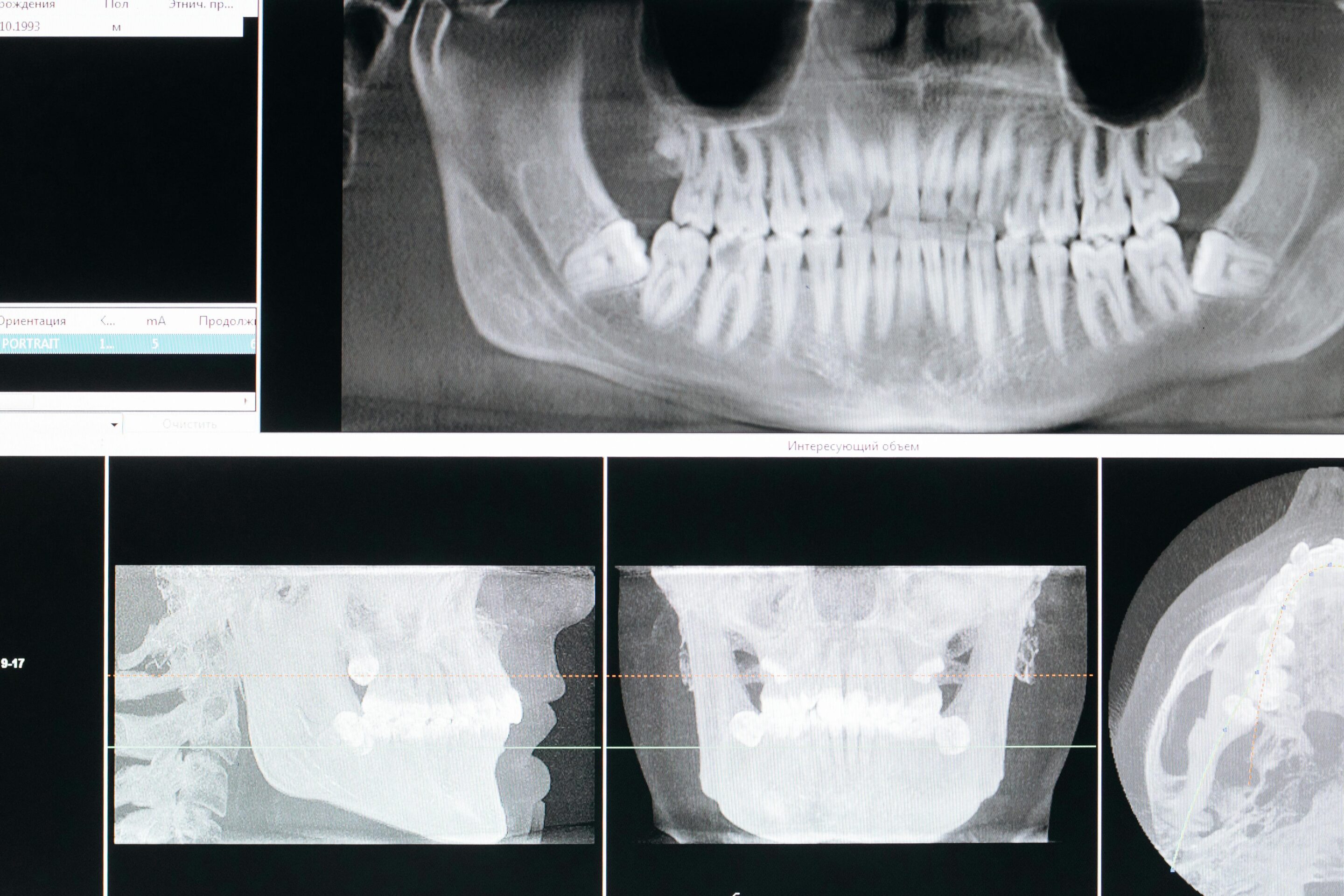
<p>An abscessed tooth can cause intense pain and discomfort, often catching people off guard. Many don’t realize how serious a dental abscess can be until they experience symptoms. If you’re asking yourself, "what is abscessed tooth," you’re not alone. This condition is more common than you might think and requires prompt attention from a dental professional. An abscessed tooth is a localized infection that causes a pocket of pus to form at the root of the tooth or in the surrounding gums. Left untreated, it can lead to more severe health issues. Understanding the signs, symptoms, and treatment options can help you act quickly and prevent complications. Early diagnosis and care are key to saving your tooth and maintaining overall health.</p> <h2>What Is an Abscessed Tooth?</h2> <p>An abscessed tooth is a painful infection at the root of a tooth or in the surrounding gum tissue. It develops when bacteria invade the tooth's pulp or the tissues around the tooth, causing an accumulation of pus. This leads to swelling, pain, and potential damage if untreated. The infection can originate from deep cavities, cracked teeth, or gum disease. Recognizing the condition early can make a significant difference in treatment success and recovery. Dental abscesses can be classified into two main types: periapical (at the tooth root) and periodontal (in the gums). Both types are painful and require prompt attention.</p> <p>Tooth abscess explained: It’s essentially a collection of pus that forms due to bacterial infection. It sounds unpleasant—and it is. The infection causes inflammation and tissue destruction, which can spread if not addressed quickly. An untreated abscess can lead to the loss of the affected tooth or even more serious health problems, such as jaw infections or systemic illness.</p> <p>Dental Abscess Definition: According to dental health experts, a dental abscess is a bacterial infection that results in a pocket of pus at the tooth root or in the surrounding gum tissue. This condition often arises from untreated dental decay, trauma, or gum disease. Prompt diagnosis and treatment are necessary to prevent further damage and address the root cause of the infection.</p> <h2>Abscess Tooth Symptoms</h2> <p>Recognizing symptoms early can help you seek prompt treatment. Abscess tooth symptoms usually involve intense pain that can be sharp or throbbing. Patients often report increased sensitivity to hot, cold, or sweet foods. Swelling is another common sign, either around the affected tooth or in the face or neck. Other symptoms include:</p> <ul><li>Persistent toothache</li><li>Tender or swollen gums</li><li>Bad taste or foul smell from the mouth</li><li>Fever in more advanced cases</li><li>Difficulty opening the mouth or swallowing</li></ul> <p>If you notice any of these symptoms, it’s crucial to see a dentist promptly to avoid the infection spreading or causing further damage to your oral health.</p> <p>Don’t wait if you experience these symptoms—early intervention can save your tooth and reduce pain. Contact your dentist today to schedule an examination and begin treatment.</p> <h2>Treatment Options for an Abscessed Tooth</h2> <p>Treating an abscessed tooth involves eliminating the infection and preventing recurrence. The go-to treatments include root canal therapy, which cleans out the infected pulp and seals the tooth, or extraction if the tooth cannot be saved. Your dentist may also prescribe antibiotics to control the infection.</p> <h2>Here’s what the typical treatment process looks like:</h2> <ol><li>Diagnosing the abscess through X-rays and clinical examination.</li><li>Draining the abscess to remove pus.</li><li>Removing infected tissue or performing a root canal.</li><li>Prescribing medication if necessary.</li><li>Restoring the tooth with a filling or crown for long-term function.</li></ol> <p>Sometimes, additional procedures like gum therapy may be needed if surrounding tissues are affected. Early treatment not only alleviates pain but also helps preserve your natural teeth and overall health.</p> <p>If you suspect you have a dental abscess, don’t delay making an appointment. Early care ensures the best outcome and quick relief from discomfort.</p> <h2>Book an Appointment Today!</h2> <p>If you’re experiencing symptoms or suspect you have an abscessed tooth, taking action now can prevent serious health issues. Our experienced dental team is here to help you through diagnosis and treatment with gentle, effective care. Contact us today to schedule your appointment and get back to smiling confidently.</p> <h2>FAQs About Abscessed Teeth</h2> <h2>What causes an abscessed tooth?</h2> <p>An abscessed tooth is caused by bacterial infection, often stemming from untreated cavities, cracked or broken teeth, or gum disease, which allows bacteria to invade the pulp or surrounding tissue.</p> <h2>How do I know if I have a dental abscess?</h2> <p>Common signs include severe tooth pain, swelling, sensitivity to hot and cold, bad taste or foul smell, and sometimes fever or facial swelling. If you experience these symptoms, visit your dentist promptly.</p> <h2>Can an abscessed tooth heal on its own?</h2> <p>No, a dental abscess typically requires professional treatment. Without intervention, the infection can worsen and lead to more serious health issues.</p> <h2>Is a tooth with an abscess salvageable?</h2> <p>Often, yes. treatments like root canal therapy or extraction can save or remove the affected tooth, depending on the severity of the infection.</p> <h2>How can I prevent a dental abscess?</h2> <p>Maintain good oral hygiene, visit your dentist regularly, address cavities and gum disease early, and avoid trauma to teeth. These steps can significantly reduce your risk.</p> <p>In conclusion, understanding what is abscessed tooth and recognizing the symptoms are vital steps toward maintaining your oral health. An abscess is a serious infection that can cause significant pain and damage if left untreated. Early diagnosis and prompt treatment, such as root canal therapy or extraction, can save your tooth and prevent complications. If you notice symptoms like persistent toothache, swelling, or fever, don’t hesitate to seek professional help. Your dental health is worth it, and getting personalized care can help you feel confident again. Reach out today to schedule a consultation—taking this step is easy and can make all the difference in your well-being.</p>

Essential Home Maintenance Checklist for a Healthy Smile
Learn how to maintain oral health with Just A Cleaning’s home maintenance checklist. Keep your smile…