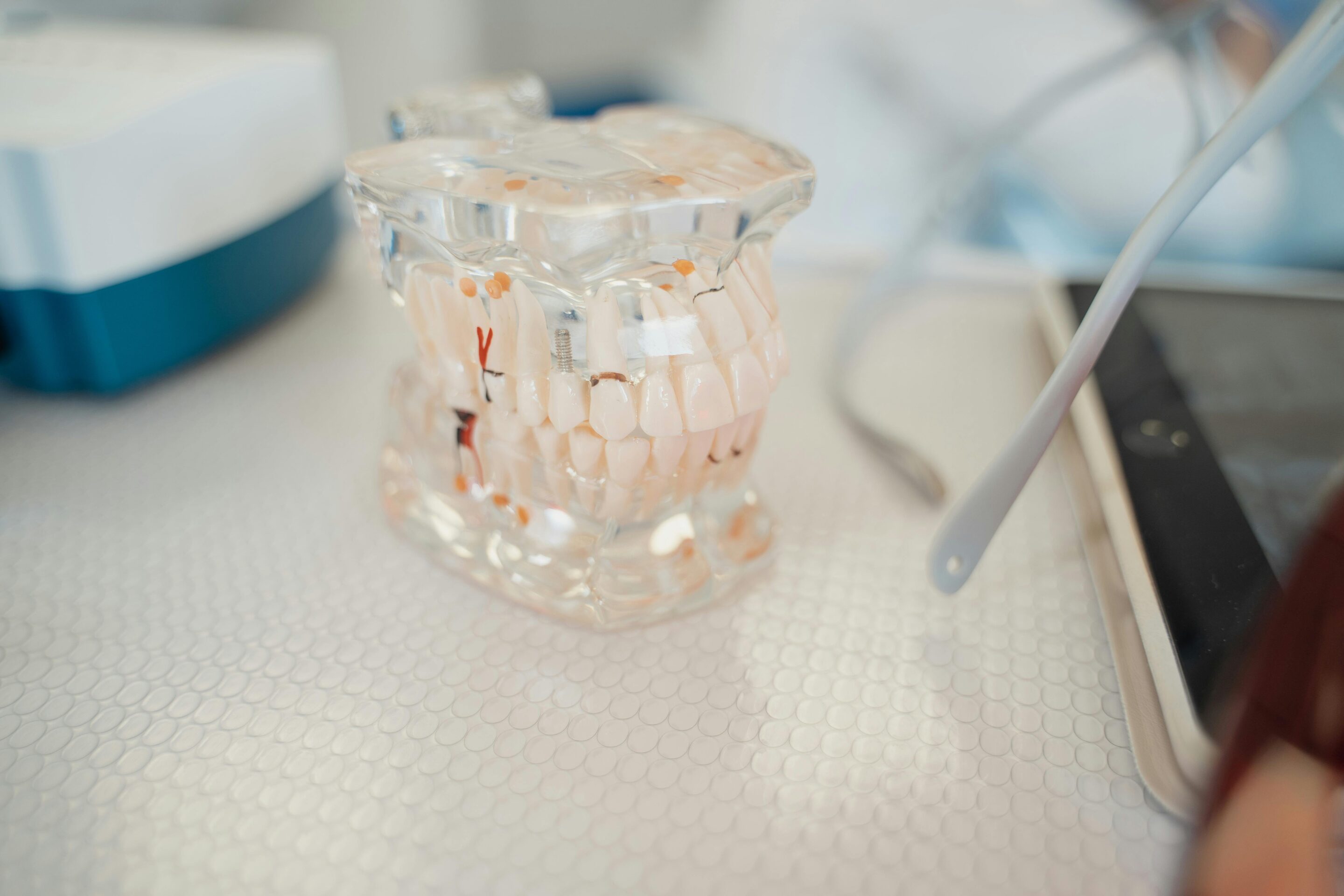

<p>Understanding the complexities of your teeth can be challenging, especially when it comes to their inner workings. One vital part of your tooth is the dental pulp—a soft tissue that plays a crucial role in keeping your teeth healthy and functional. If you’ve wondered, "what is dental pulp," you’re not alone. Many people don’t realize how important this tiny but mighty tissue is until it becomes infected or damaged. In this post, we’ll explore what pulp tissue teeth are, their functions, and why maintaining healthy tooth pulp is essential for your oral health.</p> <p>The dental pulp is the central part of your tooth, located beneath the enamel and dentin layers. It contains nerves, blood vessels, and connective tissue, making it essential for nourishing the tooth and sensing pain or temperature. When the pulp becomes compromised due to injury or decay, it can lead to serious problems like infections or tooth loss. Understanding the role of the pulp tissue teeth helps you appreciate why dental care is vital. Whether you’re experiencing tooth sensitivity or are simply curious, knowing about the dental pulp can help you take better care of your oral health and seek timely treatment.</p> <h2>Pulp Tissue Teeth and Its Components</h2> <p>Pulp tissue teeth are composed of several key elements that work together to support a healthy tooth. The main components include blood vessels, nerve fibers, and connective tissue. These elements work in harmony to deliver nutrients, remove waste, and send signals to your brain about pain or temperature changes.</p> <p>The pulp extends from the crown’s pulp chamber down through root canals into the bone. It plays a vital role in the ongoing development and healing of the tooth, especially in children and young adults. When the pulp becomes inflamed or infected, it can cause severe pain and may necessitate root canal therapy.</p> <p>To keep your pulp tissue teeth healthy, good oral hygiene habits, routine dental checkups, and prompt treatment of cavities are essential. If you notice persistent tooth pain or sensitivity, it’s crucial to see a dental professional promptly to prevent further damage.</p> <h2>The Function of Tooth Pulp</h2> <p>The primary function of the tooth pulp is to nourish and protect the tooth. It supplies the tissue with nutrients via blood vessels and removes waste products. Additionally, the pulp is responsible for sensory detection—allowing you to feel pain, hot, or cold.</p> <h2>Here are some key roles of the dental pulp:</h2> <ul><li>Nourishing the surrounding dentin and enamel</li><li>Triggering reflex responses to protect the tooth from biting forces</li><li>Acting as the sensory monitor for pain and temperature</li><li>Participating in the repair process, especially when the tooth sustains damage</li></ul> <p>Without healthy pulp tissue, a tooth can become weak and more prone to fracture or infection. This highlights the importance of maintaining oral hygiene and seeking care when symptoms of pulp issues appear.</p> <h2>Dental Pulp Explained</h2> <p>Dental pulp explained simply means understanding the inner core of your tooth. It’s a soft, connective tissue structure vital to your tooth’s health throughout your life. The pulp’s role goes beyond just keeping the tooth alive; it also helps in the formation of dentin, the hard tissue under your enamel.</p> <p>When damage or decay affects the pulp, it can lead to symptoms like toothache, swelling, or discoloration. In such cases, treatments like root canals remove the infected pulp and replace it with a filling material to preserve the tooth. Maintaining the health of your dental pulp is essential for your overall oral health and longevity of your teeth.</p> <p>If you suspect any problems with your pulp tissue teeth, don’t wait. Early intervention can save the tooth and prevent more invasive procedures. Regular dental visits are your best defense against pulp-related issues.</p> <p>Feeling unsure about your dental health? We’re here to help! Book an appointment with us today for a thorough assessment and personalized care plan. Taking care of your mouth has never been easier or more important.</p> <h2>Frequently Asked Questions</h2> <h2>What is the purpose of the dental pulp?</h2> <p>The purpose of the dental pulp is to nourish the tooth through blood supply, provide sensory input like pain and temperature, and help in the formation and repair of dentin.</p> <h2>How does dental pulp get damaged?</h2> <p>Dental pulp can get damaged by deep decay, physical trauma, repeated dental procedures, or cracks in the tooth, which can lead to infection and inflammation.</p> <h2>Can dental pulp heal itself?</h2> <p>In some cases, mild inflammation may improve with proper dental care. However, once the pulp is severely infected or damaged, it often requires treatment like root canal therapy because it cannot heal on its own.</p> <h2>What are symptoms of pulp issues?</h2> <p>Common symptoms include tooth pain or sensitivity to hot, cold, or sweet foods, swelling, discoloration, or persistent pain after biting down.</p> <h2>How is a damaged pulp treated?</h2> <p>Damaged or infected pulp is typically treated with a root canal procedure, where the infected tissue is removed, the inside of the tooth cleaned, and then filled and sealed to prevent further infection.</p> <h2>Conclusion</h2> <p>Understanding what is dental pulp and its vital role helps you see how important your teeth are beyond their appearance. The pulp tissue teeth are at the core of your tooth’s health, providing nourishment, sensation, and healing ability. Maintaining the health of your dental pulp through good oral hygiene, regular checkups, and addressing issues promptly can preserve your natural teeth for a lifetime. If you experience symptoms like persistent pain, sensitivity, or swelling, seeking professional dental care early will make a significant difference. Your smile and overall health depend on the health of your tooth pulp—don’t neglect it.</p> <p>Ready to keep your teeth healthy and pain-free? Booking an appointment with us is simple and stress-free. We’re dedicated to helping you enjoy a confident smile, and our gentle, expert care makes dental visits comfortable. Contact us today — your happier, healthier mouth is just a click or call away!</p>

Essential Home Maintenance Checklist for a Healthy Smile
Learn how to maintain oral health with Just A Cleaning’s home maintenance checklist. Keep your smile…