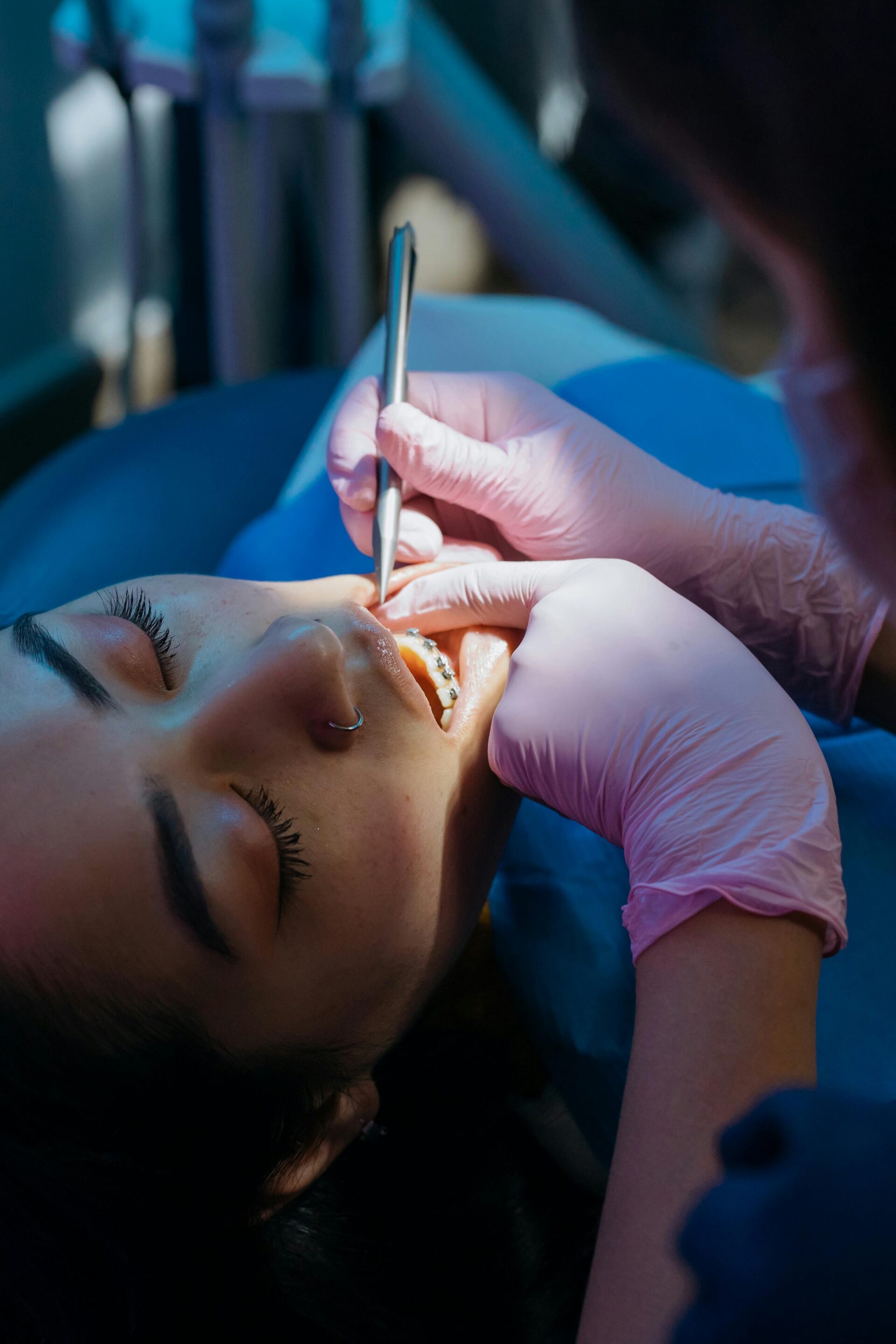

<p>Having a root canal is often the best solution for saving a damaged or infected tooth. But many people wonder, “why root canals become infected,” especially after treatment. Despite advances in dentistry, infections can still occur post-procedure, causing pain and further complications. Understanding the causes of tooth infection after a root canal can help you stay alert and seek timely care. In this article, we’ll explore how root canal infections develop, common causes, and how to protect your dental health.</p> <h2>What Is a Root Canal Infection?</h2> <p>A root canal infection happens when bacteria infiltrate the cleaned or treated root canal space. This can lead to pain, swelling, and abscess formation. Even with meticulous technique, bacteria can sometimes persist or re-enter, making the infection difficult to prevent entirely. Recognizing the reasons behind these infections is vital for effective prevention and management.</p> <h2>How Root Canal Infection Develops</h2> <p>A root canal infection develops when bacteria, usually from unchecked decay or an untreated cavity, infiltrate the pulp chamber of the tooth. During the procedure, the goal is to remove infected tissue and seal the space. However, certain factors can lead to the reintroduction or survival of bacteria:</p> <ul><li>Incomplete removal of infected tissue.</li><li>Microfractures in the tooth structure.</li><li>Poor sealing of the root canal filling.</li><li>Contamination during or after the procedure.</li><li>Persistent bacteria resistant to treatment.</li></ul> <p>Understanding how these factors play a role can help in better planning and aftercare.</p> <h2>Common Causes of Why Root Canals Become Infected</h2> <h2>Several tooth infection root canal cause factors contribute to post-treatment infections:</h2> <ol><li>**Residual Bacteria or Tissue:** If infected material isn’t fully removed, bacteria can remain dormant and later cause reinfection.</li></ol> <ol><li>**Bacterial Recontamination:** After treatment, if the crown or seal isn’t properly fitted, bacteria from saliva or the mouth can re-enter the tooth.</li></ol> <ol><li>**Cracks and Fissures:** Cracks in the tooth can harbor bacteria and allow infection to re-establish even after a root canal.</li></ol> <ol><li>**Complex Root Anatomy:** Some teeth have intricate root systems that are difficult to clean thoroughly, increasing infection risk.</li></ol> <ol><li>**Delayed Treatment:** The longer decay or infection is left untreated, the more difficult it becomes to eliminate bacteria entirely.</li></ol> <ol><li>**Compromised Immune System:** People with weakened immune defenses are more prone to developing infections, including after root canals.</li></ol> <ol><li>**Inadequate Sealants or Fillings:** If the filling material used isn’t perfectly sealed, bacteria can leak in and cause infection.</li></ol> <ol><li>**Failed Restoration:** Sometimes a crown or restoration doesn't fit properly, leading to bacterial entry.</li></ol> <p>If you’re experiencing symptoms like persistent pain, swelling, or discomfort after a root canal, it’s essential to consult your dentist promptly.</p> <p>Consider booking an appointment with an endodontist to evaluate your situation and prevent further complications. Early intervention can preserve your tooth and prevent more invasive procedures.</p> <h2>What Are the Symptoms of a Root Canal Infection?</h2> <p>Symptoms can vary but often include persistent tooth pain, swelling, sensitivity to hot or cold, and sometimes pus drainage. Recognizing these signs early can lead to prompt treatment and better healing outcomes.</p> <h2>Can a Root Canal Be Successfully Re-treated if It Gets Infected?</h2> <p>Yes, many infected root canals can be re-treated successfully. The process involves removing the previous filling, disinfecting the canal again, and sealing it properly. Early diagnosis and treatment improve success rates.</p> <h2>How Can I Reduce the Risk of a Post-Root Canal Infection?</h2> <p>Maintaining good oral hygiene, visiting your dentist regularly, and following aftercare instructions are key. Ensuring your restoration fits well and avoiding chewing hard foods can also prevent bacteria entry.</p> <p>Now is a great time to schedule your next dental checkup or discuss any concerns about your root canal treatment. Our team is here to help you maintain a healthy, infection-free smile with gentle, personalized care.</p> <h2>FAQs</h2> <h2>What causes tooth infection root canal cause?</h2> <p>Tooth infection caused by root canal is often due to residual bacteria, incomplete cleaning, or bacterial recontamination after treatment. Cracks and complex root anatomy can also permit bacteria to enter and cause infection.</p> <h2>How do pulp infection causes happen?</h2> <p>Pulp infection causes usually stem from untreated decay, deep cavities, or trauma that introduces bacteria into the pulp chamber. Over time, bacteria thrive, leading to inflammation and infection of the pulp tissue.</p> <h2>How does a root canal infection develop?</h2> <p>A root canal infection develops when bacteria enter the root canal system, either during initial infection or post-treatment, due to incomplete cleaning, poor sealing, or recontamination, leading to persistent or new infection.</p> <p>In conclusion, understanding why root canals become infected helps you take steps to prevent complications and ensure long-term dental health. Proper diagnosis, meticulous treatment, and good oral hygiene are key to avoiding reinfections. If you notice any signs of discomfort after a root canal, don't hesitate to seek professional care. Our friendly team is here to guide you through every step toward a healthy, pain-free smile. Book your appointment today and take the first step toward optimal dental health with confidence.</p>

Essential Home Maintenance Checklist for a Healthy Smile
Learn how to maintain oral health with Just A Cleaning’s home maintenance checklist. Keep your smile…